
Over the past decade, dentistry has undergone a digital revolution—and at the forefront of this transformation is 3D printing. Among its many applications, 3D printing has made a particularly profound impact on the creation of surgical guides for dental implant procedures. These guides, once complex and costly to fabricate, can now be produced with unmatched precision, speed, and customization thanks to this technology.
In this post, we'll explore how 3D printing is transforming surgical guide production and why it's a game-changer for both clinicians and patients.
What Are Surgical Guides?
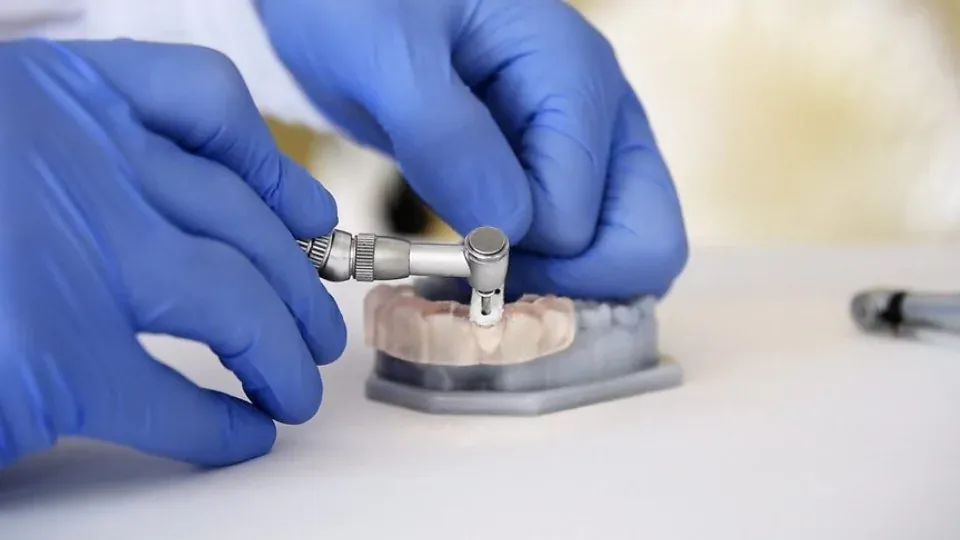
Surgical guides are custom-made devices used during implant procedures to ensure the exact positioning, angulation, and depth of dental implants. Traditionally, these guides were made using labor-intensive methods that required physical models and manual adjustments. Today, they are digitally designed and printed using 3D printers, making them more accurate and accessible than ever before.
The Rise of 3D Printing in Dentistry
3D printing—also known as additive manufacturing—builds objects layer by layer from digital designs. In dentistry, it allows for the rapid fabrication of highly precise tools, models, and restorations, including:
- Surgical guides
- Dentures and crowns
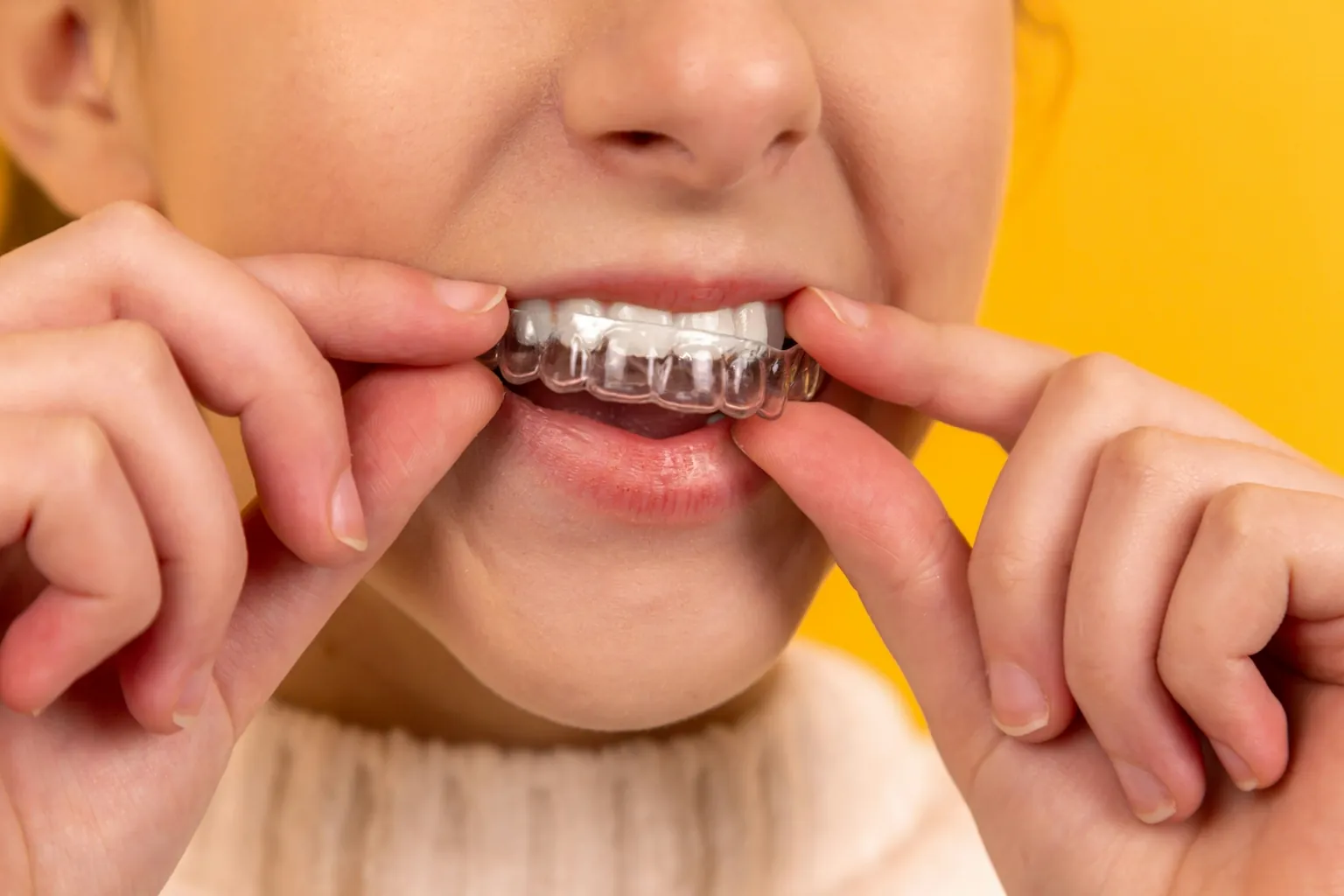
- Clear aligners
- Orthodontic models
- Night guards
Its growing popularity in surgical guide production is driven by several key advantages:
1. Unmatched Precision and Customization
With 3D printing, surgical guides are created based on CBCT scans and intraoral digital impressions, ensuring perfect alignment with the patient's anatomy. This results in:
- Exact fit to the arch or dentition
- Precise drill positioning
- Optimal implant placement
For complex cases involving multiple implants or limited bone volume, this level of precision is critical for success.
2. Faster Turnaround Times
Compared to traditional manufacturing methods, 3D printing significantly reduces the production timeline. Once the digital plan is complete, the guide can be printed in a matter of hours.
This allows dental professionals to:
- Offer same-day or next-day surgeries
- Respond quickly to urgent cases
- Improve clinical efficiency
In fast-paced practices, time savings translate into better service and higher patient satisfaction.
3. Cost-Effective Production
3D printers have become more affordable and accessible, making it feasible for many dental labs and even private practices to bring production in-house. As a result:
- The cost of surgical guides has decreased
- There is less reliance on third-party labs
- Clinicians gain more control over the process
This cost-efficiency enables practices to offer guided surgery to more patients without increasing treatment fees.
4. Streamlined Digital Workflow
3D printing is a natural extension of the fully digital workflow that modern dental implantology embraces. From digital scanning to virtual planning and final guide production, the entire process is integrated, efficient, and reproducible.
Benefits include:
- Fewer manual errors
- Better collaboration between team members
- Improved documentation and case planning
At Guided4Excellence, we leverage advanced 3D printing technology to produce surgical guides that meet the highest standards of precision and consistency.
5. Improved Patient Experience and Outcomes
Ultimately, 3D-printed surgical guides contribute to better patient outcomes:
- Faster procedures
- Less post-operative discomfort
- Fewer complications
- Enhanced aesthetics and functionality
Patients also appreciate the modern, high-tech approach and are more likely to move forward with treatment when they understand the precision and predictability that 3D printing provides.
3D printing is more than just a technological trend—it's a fundamental shift in how dental surgical guides are designed, produced, and implemented. By embracing 3D printing, dental professionals can elevate the quality of care, improve clinical workflows, and enhance the overall patient experience.
At Guided4Excellence, we are proud to be at the forefront of this transformation, offering expertly designed, 3D-printed surgical guides that help clinicians achieve predictable, precise, and successful implant outcomes.