
Dental implantology has transformed the way clinicians restore oral function and aesthetics. As demand for dental implants continues to rise, so does the expectation for predictable, high-quality results. One of the most significant advancements helping clinicians meet these expectations is the surgical guide.
While some implantologists still place implants freehand, the shift toward guided surgery is undeniable. Here are five compelling reasons every implantologist should consider incorporating surgical guides into their workflow—whether for single-tooth cases or complex full-arch restorations.
1. Unmatched Precision and Accuracy
Perhaps the most critical advantage of using a surgical guide is the level of accuracy it provides. With freehand techniques, even skilled clinicians can face challenges with implant angulation, depth, and positioning. Minor deviations can have significant consequences, including:
- Poor prosthetic outcomes
- Bone loss
- Aesthetic compromise
- Risk to anatomical structures (nerves, sinuses)
Surgical guides eliminate guesswork by translating a digital treatment plan into a physical tool that directs the drill and implant exactly where planned. This precision is especially vital in:
- Anterior regions with high aesthetic demand
- Sites with limited bone volume
- Proximity to vital anatomical landmarks
In short, guided surgery transforms "good enough" into exact.
2. Improved Patient Safety
Patient safety is a non-negotiable in implantology. Freehand placement carries a higher risk of damaging nerves, perforating sinuses, or compromising adjacent teeth. Surgical guides, which are planned using CBCT data and digital impressions, significantly minimize these risks.
Benefits include:
- Avoidance of critical anatomical structures
- Consistent control over drill depth
- Reduced need for surgical flaps in many cases
This not only protects the patient but also gives the clinician greater peace of mind during the procedure. In fact, guided surgery is often the best option for high-risk or medically compromised patients, where minimizing trauma is essential.
3. Minimally Invasive Surgery and Faster Recovery
Modern patients expect not only effective treatment but also a comfortable experience and quick healing. Surgical guides support flapless or minimally invasive techniques, which offer significant benefits:
- Reduced bleeding and swelling
- No need for sutures in many cases
- Lower postoperative pain
- Faster return to normal function
For patients, this means a more pleasant surgical experience and shorter downtime. For implantologists, it means happier patients, more word-of-mouth referrals, and a practice known for delivering modern, patient-centered care.
4. More Predictable Prosthetic Outcomes
Implant success isn't just about osseointegration—it's about the long-term success of the restoration. The angle, depth, and position of the implant directly influence:
- Crown emergence profile
- Occlusion and bite forces
- Maintenance of surrounding bone and tissue
When the implant is placed exactly where it was digitally planned, prosthetic design becomes far more straightforward. This results in:
- Fewer complications
- Better aesthetics
- Longer-lasting restorations
With prosth-driven implantology becoming the standard, surgical guides are no longer a luxury—they're a necessity.
5. Greater Efficiency and Confidence
Surgical guides aren't just about clinical results—they also streamline the workflow for implantologists and their teams. With proper planning, surgery day becomes less stressful and more predictable:
- Reduced time in the operatory
- Fewer intraoperative surprises
- Less need for surgical improvisation
Many clinicians also find that guided surgery builds their confidence when tackling complex cases. Whether you're placing a single implant or completing a full-arch reconstruction, a guide gives you a tangible roadmap to follow.
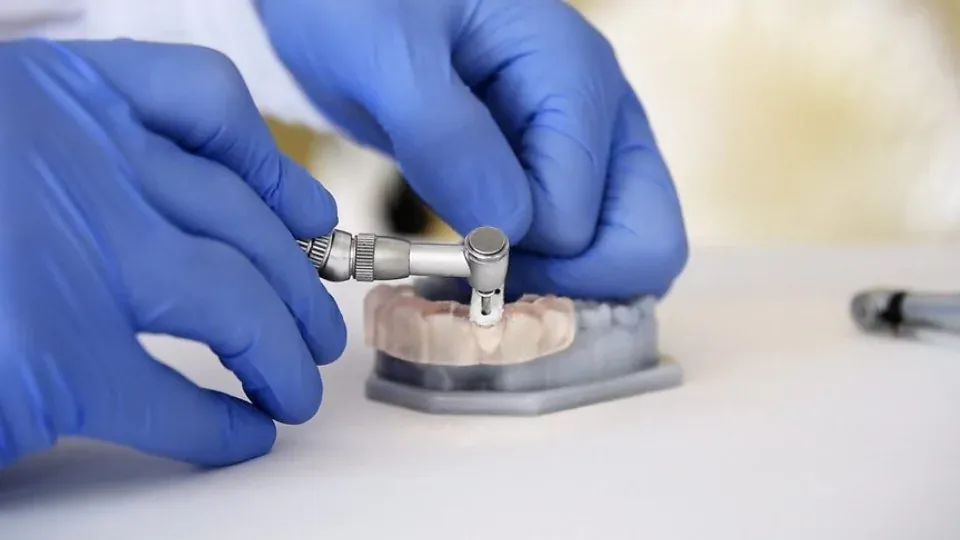
And with the rise of in-house 3D printing, surgical guides can now be created faster and more affordably than ever before.
Bonus: Enhanced Case Presentation and Patient Trust
Using surgical guides isn't just a clinical choice—it's also a powerful communication tool. When you show patients their 3D scan and walk them through a digital plan, it elevates your credibility and builds trust. Patients are more likely to move forward with treatment when they:
- Understand the process
- See the precision involved
- Feel assured about safety and predictability
In today's competitive dental landscape, that edge can be the difference between a patient choosing your office or looking elsewhere.
Final Thoughts
Surgical guides are transforming implant dentistry by offering more accurate, safer, and patient-friendly procedures. For implantologists committed to clinical excellence, adopting guided surgery is no longer optional—it's essential.
Whether you're looking to enhance outcomes, improve efficiency, or meet growing patient expectations, surgical guides offer a solution that benefits everyone involved.
If you haven't integrated surgical guides into your implant practice, now is the time to explore the technology and discover how it can elevate your care.