The dental implant landscape is evolving rapidly. As we move through 2026, 3D surgery implant guide technology has shifted from being a competitive advantage to an essential standard of care. Practices using 3D surgical guides report higher case acceptance rates, fewer complications, and significantly improved patient satisfaction. More importantly, they're positioning themselves for long-term success in an increasingly competitive market.
The Business Case for 3D Surgical Guides
3D surgical guides improve practice profitability by increasing case acceptance, reducing chair time, and lowering complication-related costs. For implant specialists, they are not just a clinical upgrade but a measurable business advantage.
Increased Case Acceptance
When you can show patients a detailed 3D treatment plan before they commit, case acceptance rates increase dramatically. Many practices report 20-30% higher acceptance for complex cases when using 3D surgery implant guides. Visualization removes uncertainty and builds confidence.
Reduced Chair Time and Complications
3D surgery implant guides reduce surgical time by 30-40% compared to freehand placement. This efficiency allows you to see more patients and maintain better schedule predictability. Fewer complications mean fewer emergency appointments and reduced liability exposure.
Premium Positioning
Practices investing in advanced technology command premium fees. Patients understand that precision comes with value. CAD CAM dental design integration allows comprehensive digital workflows that justify higher case fees.
| Practice Metric | Traditional Freehand | 3D Guided Surgery |
|---|---|---|
| Average Case Acceptance | 60-65% | 80-85% |
| Surgical Time (Single Implant) | 45-60 minutes | 25-35 minutes |
| Complication Rate | 8-12% | 2-4% |
| Patient Satisfaction Score | 7.5-8.0/10 | 9.0-9.5/10 |
| Referral Rate | Standard | 25-40% higher |
Technological Advantages of Modern 3D Surgery Implant Guides
The technology behind 3D surgery implant guides has matured significantly. What was once expensive, time-consuming, and complex is now streamlined, affordable, and accessible.
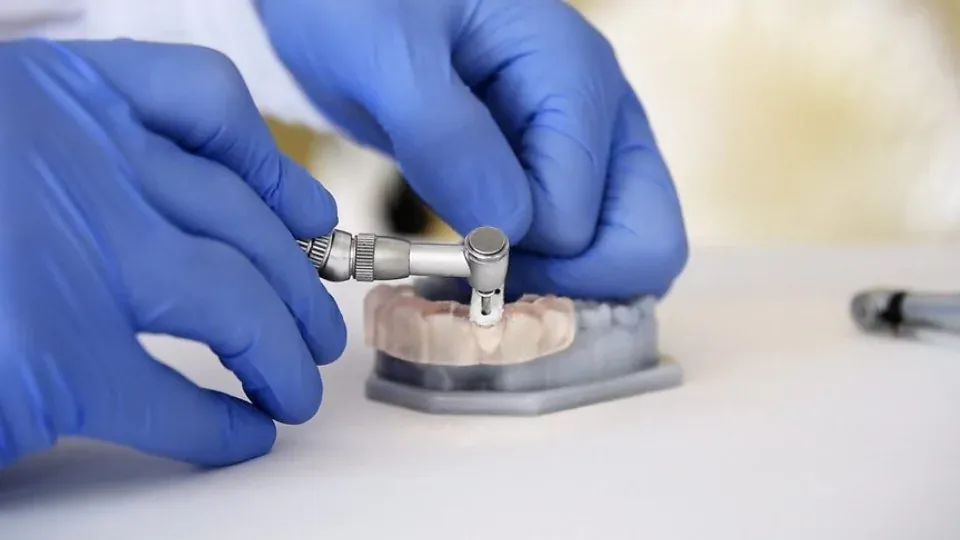
Modern 3D surgery implant guides combine CBCT imaging, CAD CAM dental design, and high-precision 3D printing to deliver unmatched accuracy and consistency. These technologies allow implant placement to be planned prosthetically, based on the final restoration rather than bone availability alone.
With tolerances under 50 microns, today's guides translate digital plans into exact clinical execution, reducing variability, minimizing surgical risk, and enabling faster, flapless procedures even in complex cases.
Advanced CAD CAM Dental Design Integration
Modern CAD CAM dental design software seamlessly integrates with CBCT imaging, intraoral scanners, and 3D printing workflows. You can plan implant positions based on the final prosthetic outcome - truly working backward from the ideal restoration to determine optimal implant placement.
This prosthetically-driven approach ensures that implants support restorations that look natural and function properly. No more placing implants based solely on available bone and hoping the restoration works out.
3D Printing Dental Guides: Speed and Precision
3D printing dental guides has revolutionized production timelines and accuracy. What once required weeks of lab time now takes days. High-resolution printers create guides with tolerances under 50 microns - far exceeding what's possible with traditional manufacturing methods.
The biocompatible materials used in modern guides are sterilizable, durable, and comfortable for patients. They fit precisely and remain stable throughout the procedure, ensuring the accuracy of your digital plan translates to clinical reality.
Surgical Guide Innovations for Complex Cases
Recent innovations have expanded the range of cases suitable for guided surgery. Flapless protocols, immediate loading guides, and full-arch solutions are now routine. Even cases with limited bone, unusual anatomy, or previous surgical failures can benefit from guided approaches.
Dynamic navigation systems are also emerging, offering real-time feedback during surgery while maintaining the advantages of pre-surgical planning. These hybrid approaches give surgeons flexibility without sacrificing precision.
Clinical Benefits That Matter to Specialists
3D surgery implant guides improve clinical outcomes by ensuring precise implant placement, reducing surgical variability, and lowering complication risk. Specialists gain greater control in complex cases, improved implant stability, fewer post-operative issues, and more predictable long-term prosthetic success.
Consistency Across All Case Types
Guided surgery eliminates performance variability. Your results on difficult cases match your straightforward procedures. This consistency builds confidence and reduces stress - the difficult decisions were made during planning, not during surgery.
Enhanced Ability to Handle Complex Cases
With 3D surgery implant guides, you can confidently accept cases you might have previously referred out. Patients with atrophic ridges, close proximity to vital structures, or aesthetic demands become manageable. Understanding different types of surgical guides helps you select the right approach for each situation.
Better Long-Term Outcomes
Implants placed with guided surgery show better bone preservation, fewer instances of peri-implantitis, and superior prosthetic outcomes. When positioned optimally from the start, restorations distribute forces properly and remain functional for decades.
Overcoming Common Adoption Barriers
Common barriers to adopting 3D surgery implant guides include cost, learning curve, and reliance on freehand skills. Modern guided workflows reduce upfront investment, are easy to learn within a few cases, and enhance, even expert, surgical precision and consistency.
"It's Too Expensive"
Initial investment is modest. Working with specialized providers like Guided Excellence means per-case fees without equipment purchases. When you factor in increased case acceptance and reduced complications, most practices see positive returns within 3-6 months.
"The Learning Curve Is Too Steep"
Today's digital planning software is intuitive. Most specialists become proficient within 5-10 cases. Many guide providers offer training and support. Guided Excellence provides consultation throughout planning, ensuring smooth first cases while you build confidence.
"My Freehand Skills Are Already Excellent"
This isn't about questioning your abilities - it's about leveraging technology to become even better. Even the most skilled surgeons experience improved outcomes with guided surgery. It's about augmenting skill with precision tools that enhance what you already do well.
How to Get Started with 3D Surgical Guides
Start with Simple Cases
Begin with straightforward single-tooth cases in the posterior region. This allows you to become comfortable with the workflow without pressure. Once you experience how smoothly these proceed, you'll naturally expand to more complex situations.
Partner with Experienced Guide Providers
Choose a provider offering comprehensive support and quick turnaround. Guides designed by practicing dentists ensure planning considers practical clinical realities.
Track Your Results
Document outcomes systematically. Measure surgery times, complication rates, and patient satisfaction scores. This data will reinforce your decision and help refine your approach over time.
The Competitive Advantage in 2026
The dental market is highly competitive. Patients research thoroughly before choosing providers. Offering 3D surgery implant guide technology signals that you're committed to excellence, invest in advanced tools, and prioritize safety and outcomes. It differentiates your practice in marketing, consultations, and community reputation.
Referring dentists notice too. General practitioners send patients to specialists who use cutting-edge approaches and deliver predictable results. The evolution of dental implantology shows that guided surgery represents the future of the field.
Making the Decision in 2026
As we progress through 2026, 3D surgery implant guides are rapidly becoming standard of care. The specialists who thrive will be those who recognized this shift early and positioned themselves accordingly.
This isn't about following trends - it's about embracing evidence-based practices that deliver superior outcomes. The research is clear, the technology is proven, and the clinical results speak for themselves.
Your patients are researching guided surgery, your competitors are offering it, and the standard of care is shifting toward it. The question isn't whether to adopt this technology, but whether you can afford not to.
Ready to integrate 3D surgical guide technology into your practice? Contact Guided Excellence to discuss how custom surgical guides can enhance your implant outcomes and grow your practice in 2026.