
Dental implants have become a gold standard in tooth replacement, offering unmatched durability, functionality, and aesthetics. Despite their many benefits, one question looms large for prospective patients: Will it hurt? The fear of pain often delays treatment decisions. Thankfully, advances in dental technology—especially the use of surgical guides—are significantly changing that narrative.
In this blog, we'll break down what surgical guides are, how they influence the implant process, and most importantly—whether they actually make dental implants less painful.
What Are Surgical Guides?
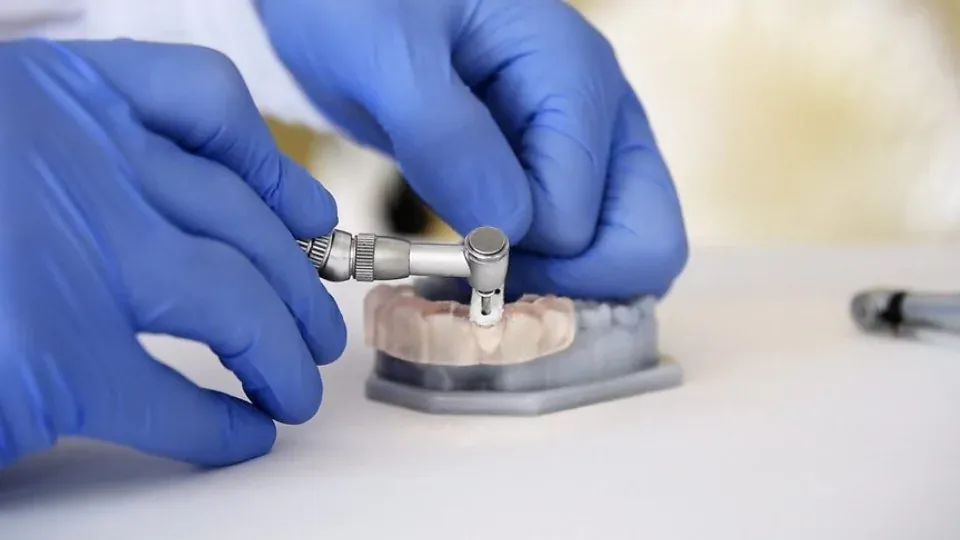
Surgical guides are custom-fabricated templates that help dental surgeons accurately position implants in the jawbone. Created using advanced imaging (CBCT scans) and digital planning software, these guides fit precisely over a patient's teeth, gums, or bone and guide the dental drill to the ideal implant site.
There are three primary types:
- Tooth-supported guides (used in partially edentulous patients)
- Mucosa-supported guides (used in fully edentulous patients)
- Bone-supported guides (used when soft tissue support is insufficient)
Each type plays a role in improving accuracy, safety, and yes—comfort during and after the procedure.
How Surgical Guides Reduce Pain
1. Enabling Minimally Invasive Surgery
Traditionally, implant placement involved cutting the gums to expose the bone—requiring stitches and extended healing time. With surgical guides, clinicians can perform flapless surgery, making a small puncture through the soft tissue rather than a full incision.
This approach significantly reduces:
- Tissue trauma
- Bleeding
- Swelling
- Post-operative discomfort
As a result, patients often experience less pain both during and after surgery.
2. Shorter Procedure Time
Implant surgery with a guide is faster and more predictable. Since the guide has been planned digitally in advance, there's no guesswork or manual adjustment during surgery. This reduces chair time and limits patient exposure to local anesthesia or sedation—both of which can contribute to stress and discomfort.
Faster surgery often means:
- Less strain on the jaw and surrounding tissues
- Lower risk of complications
- Shorter recovery periods
3. More Precise Placement = Fewer Complications
Pain after dental implants isn't always caused by the surgery itself. Sometimes, discomfort arises from improper placement—when an implant is too close to a nerve, sinus, or adjacent tooth root. Surgical guides virtually eliminate this risk.
By allowing precise control of:
- Implant angulation
- Depth
- Position relative to anatomical structures
...surgical guides reduce the chance of painful complications. This can be especially important in complex cases with limited bone or proximity to nerves and sinuses.
Patient Experience: What Do They Report?
While every patient's experience is unique, studies and anecdotal reports from practices using guided surgery suggest the following:
- Lower pain scores post-operatively
- Reduced need for pain medication
- Faster return to normal function
For patients with dental anxiety, knowing the procedure is guided by a digital plan adds reassurance. Many report feeling more confident going into surgery and more satisfied with the recovery process.
Are Surgical Guides Always Necessary?
Not every implant case requires a surgical guide. Skilled implantologists may choose a freehand approach for straightforward, single-tooth cases or when surgical flexibility is needed. However, the benefits of guided surgery—especially in terms of comfort and precision—are hard to ignore.
They're especially beneficial for:
- First-time implant patients
- Patients with complex anatomical challenges
- Practices seeking predictable, minimally invasive workflows
Realistic Expectations: Will It Be 100% Pain-Free?
It's important to be honest—no surgery is completely pain-free, even with the most advanced tools. Patients may still experience:
- Minor swelling or bruising
- Mild soreness at the site
- Temporary sensitivity
However, when compared to traditional methods, guided implant surgery is consistently associated with less pain and a smoother recovery.
Pain management also includes factors like:
- Patient health and immune response
- The number of implants placed
- Proper post-operative care
- Skill of the clinician
So while surgical guides greatly reduce discomfort, they're part of a larger strategy for a successful and tolerable implant experience.
Final Thoughts: Technology That Benefits Patients
In the world of modern dentistry, technology is not just about efficiency—it's about enhancing patient comfort and outcomes. Surgical guides exemplify this shift. By increasing precision, enabling minimally invasive techniques, and shortening procedure times, they directly contribute to a less painful dental implant experience.
If you're considering dental implants and concerned about pain, ask your provider whether they use guided surgery. It may be the solution that turns hesitation into action.