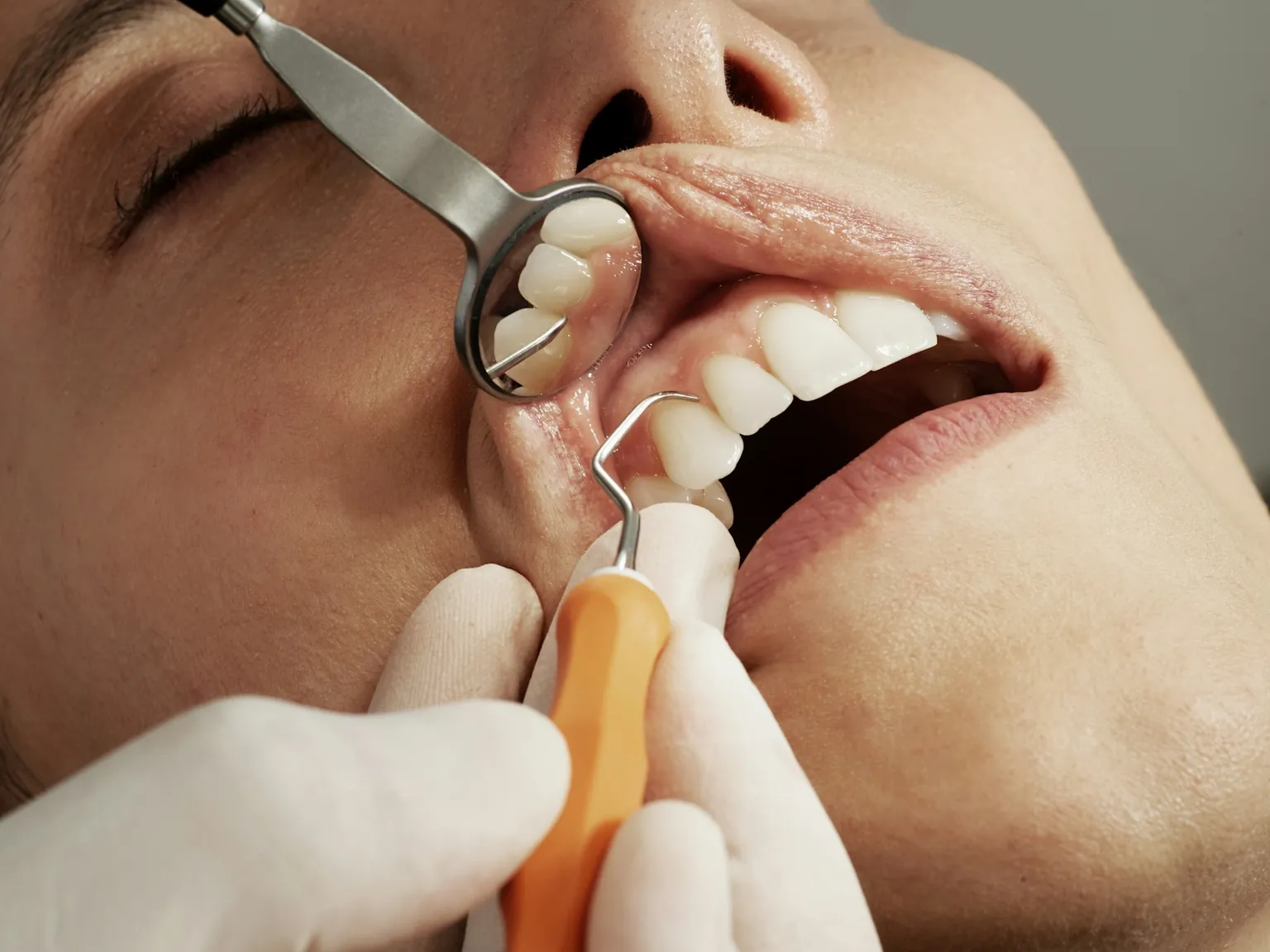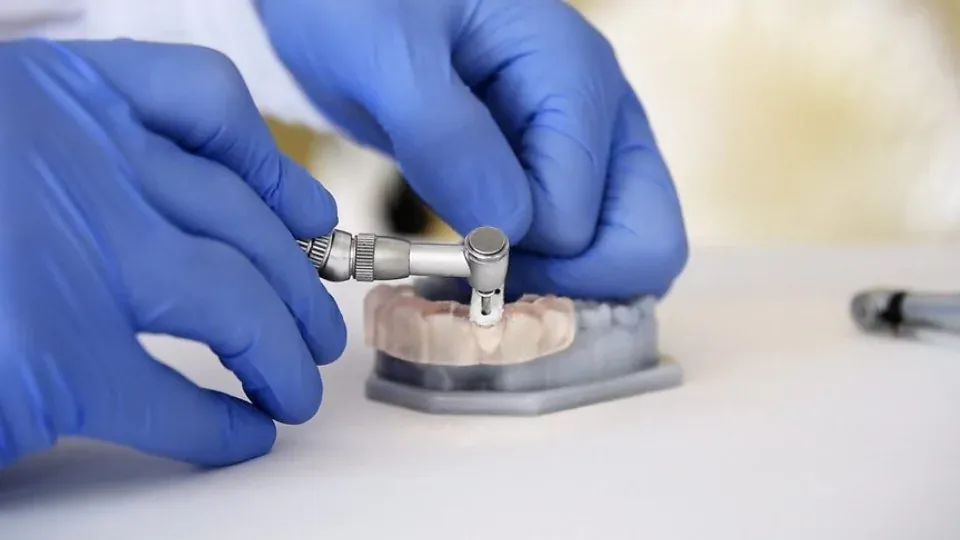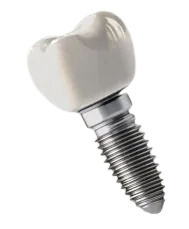

As dental implantology continues to evolve, one of the most impactful advancements in recent years has been the introduction and widespread adoption of guided surgery techniques. These digitally driven methods are reshaping the patient experience—offering faster procedures, greater accuracy, and significantly improved results.
In this post, we'll explore how guided surgery enhances patient outcomes and why it's becoming the gold standard in implant dentistry.
What Is Guided Surgery?
Guided surgery refers to the use of digitally planned surgical guides—custom-fabricated templates that direct the implant drill and implant placement with pinpoint precision. These guides are based on data from 3D imaging (like CBCT scans) and intraoral scans, allowing for a fully planned procedure long before the patient even sits in the chair.
How Guided Surgery Improves Patient Outcomes
1. Minimally Invasive Procedures
Guided surgery enables clinicians to perform flapless or minimally invasive procedures. Because implant positions are precisely pre-planned, there's no need for large incisions or extensive tissue manipulation. This leads to:
- Less post-operative discomfort
- Faster healing
- Reduced swelling and bleeding
Patients not only recover quicker but also experience less anxiety knowing the surgery is less invasive.
2. Greater Accuracy = Fewer Complications
Digital planning allows clinicians to identify the ideal location for implants based on bone density, anatomical structures, and prosthetic requirements. This significantly lowers the risk of:
- Nerve damage
- Sinus perforation
- Improper implant angulation or depth
With guided surgery, there's a higher success rate and reduced need for corrective procedures.
3. Shorter Surgery and Recovery Time
By eliminating intraoperative guesswork, guided surgery shortens the actual procedure time. This benefits the patient by:
- Reducing time under local or general anesthesia
- Lowering physical and emotional stress
- Minimizing the risk of infection or surgical fatigue
Combined with the minimally invasive approach, patients often return to normal activities more quickly than with traditional techniques.
4. Predictable Aesthetics and Long-Term Success
For many patients, the appearance of their new smile is just as important as function. Guided surgery allows for prosthetically driven planning—meaning the final restoration is designed first, and the implants are placed to support it perfectly.
This results in:
- Better alignment with facial aesthetics
- Optimal function and comfort
- Higher long-term success of restorations
5. Increased Patient Confidence and Satisfaction
When patients are educated about the precision and safety of guided surgery, their confidence in the procedure increases. Knowing that their treatment is based on advanced digital planning builds trust and encourages treatment acceptance.
Positive outcomes and faster recovery also lead to better reviews, referrals, and long-term loyalty to the practice.
Real Results: Guided Surgery in Action
Clinicians using guided techniques often report:
- A smoother workflow from diagnosis to delivery
- Fewer surprises during surgery
- Significantly improved clinical efficiency
At Guided4Excellence, we see firsthand how custom-designed surgical guides help dental professionals deliver consistent, superior outcomes that patients notice and appreciate.
Guided surgery techniques are transforming the way dental implants are placed—and more importantly, they're transforming the patient experience. With enhanced precision, faster recovery, and outstanding aesthetic outcomes, it's no surprise that more practices are turning to guided solutions to deliver excellence in care.
Ready to enhance your practice and improve patient satisfaction? Explore our innovative guided surgery solutions at Guided4Excellence.