
Dental implantology has undergone a dramatic transformation over the past few decades. Once a field reliant on manual techniques and surgical intuition, it has evolved into a precision-based discipline driven by technology and innovation. One of the most significant advancements reshaping the way dental professionals approach implant placement is the use of surgical guides. These tools are not just changing how implants are placed—they're redefining success in implant dentistry.
From Freehand to Fully Guided: A Brief History
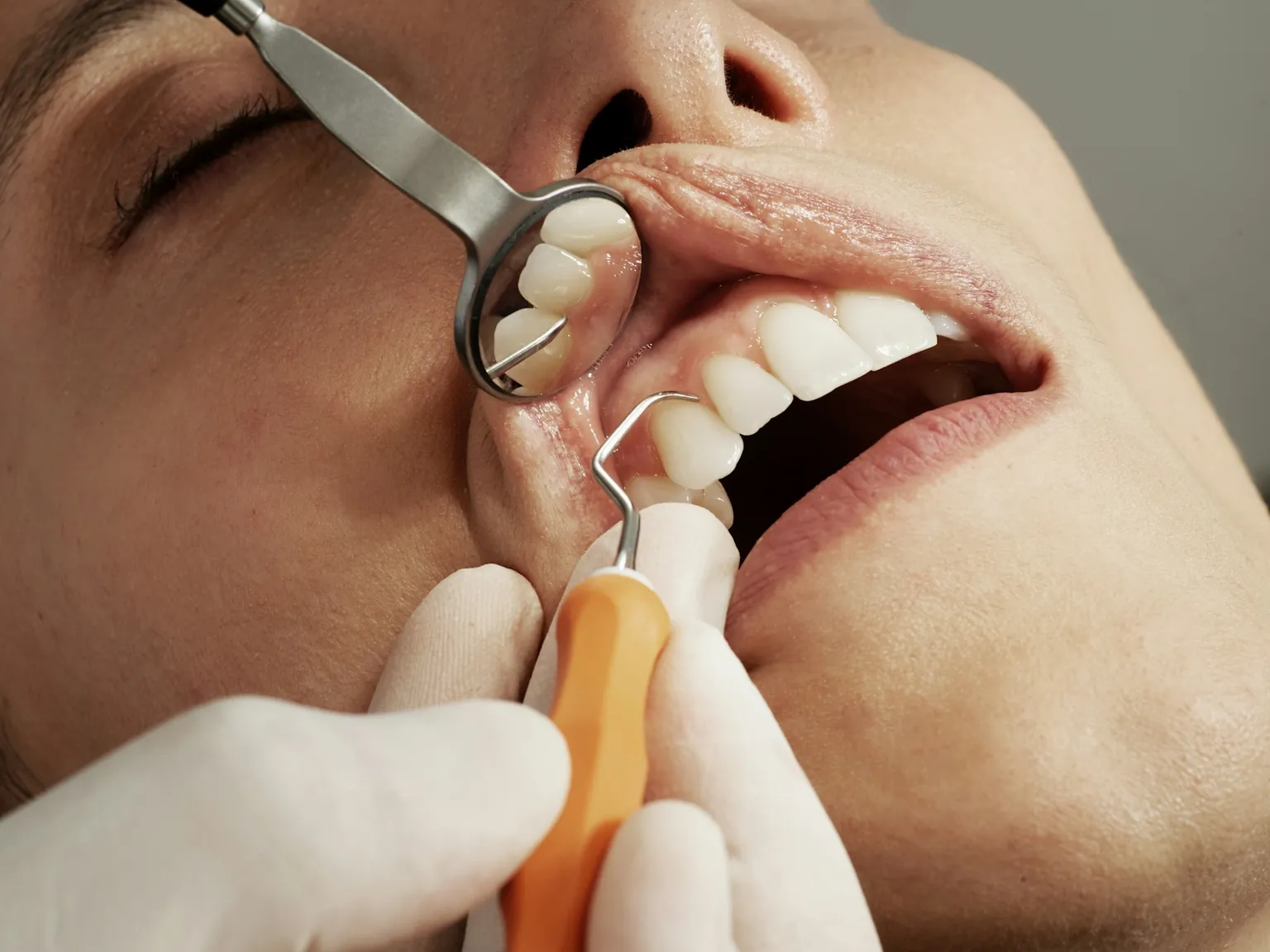
Historically, dental implants were placed using freehand techniques. This approach heavily depended on the clinician's experience, anatomical knowledge, and visual estimation. While many skilled dentists achieved excellent outcomes, the method came with inherent risks—imprecise angulation, proximity to vital anatomical structures, and unpredictable aesthetics.
The desire for more predictable outcomes led to the adoption of radiographic imaging, and eventually, 3D imaging technologies like cone beam computed tomography (CBCT). With 3D imaging, dental professionals could better visualize bone structures and plan implant placement virtually.
What Are Surgical Guides?
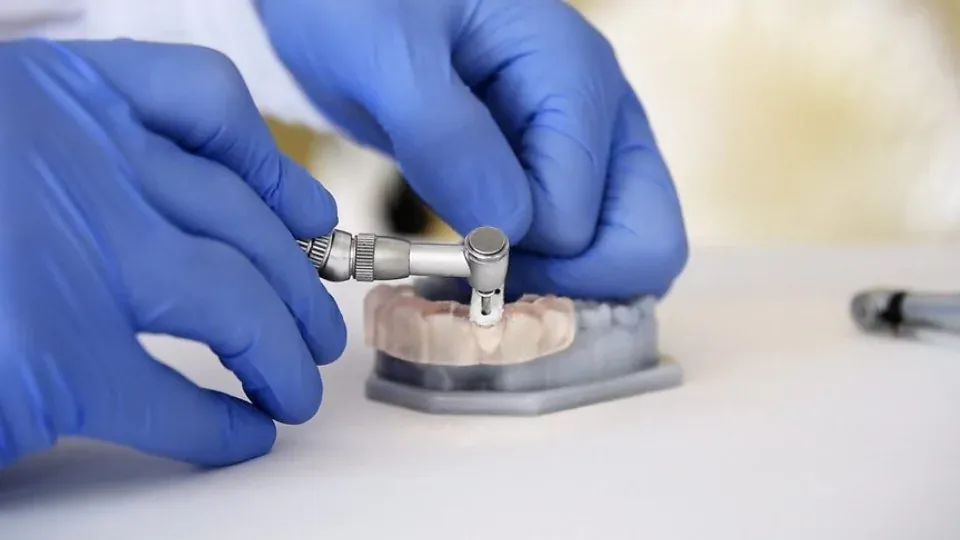
A surgical guide is a custom-made device, often fabricated using 3D printing and digital planning software, that fits precisely onto the patient's dental arch. It acts as a physical template to direct the surgical instruments during implant placement. This ensures the implant is placed at the exact angle, depth, and position as planned in the digital treatment workflow.
How Surgical Guides Are Changing the Game
Unmatched Accuracy
Surgical guides enable millimeter-level precision. This is particularly critical in areas with limited bone volume or near vital structures like nerves or the sinus cavity.
Enhanced Safety
By pre-planning the implant position, clinicians can avoid complications and reduce the risk of damaging anatomical structures. Surgical guides essentially turn a complex procedure into a more controlled process.
Improved Patient Outcomes
Patients benefit from quicker procedures, less post-operative discomfort, and faster healing. More accurate implant placement also translates to long-term prosthetic success and aesthetics.
Time Efficiency
Guided surgery often reduces chair time, as the procedure is executed with fewer intraoperative decisions. This is advantageous in busy clinical settings.
Predictability and Consistency
Even less experienced clinicians can achieve highly predictable results by following a digitally driven workflow, reducing variability in outcomes.
The Role of Digital Workflow
The process of creating a surgical guide typically begins with digital impressions and a CBCT scan. These are merged in planning software, allowing the clinician to visualize the patient's anatomy and plan the implant placement digitally. Once approved, the surgical guide is 3D printed and delivered to the practice for use during surgery.
This integration of digital dentistry, CAD/CAM technology, and 3D printing has made surgical guides more accessible and customizable than ever before.
Looking Ahead
As digital technologies continue to advance, the future of dental implantology looks even more promising. We are already seeing the incorporation of artificial intelligence for automated planning suggestions and augmented reality tools for real-time surgical guidance.
At Guided4Excellence, we believe that staying at the forefront of technology is key to elevating patient care. Our mission is to empower clinicians with high-quality, precise, and customizable surgical guides that enhance clinical confidence and outcomes.
The journey of dental implantology—from freehand surgery to digitally guided precision—reflects the industry's commitment to innovation and patient care. Surgical guides are not just a trend; they are a paradigm shift in how implant procedures are planned and executed. For clinicians seeking accuracy, efficiency, and excellence, guided surgery is no longer optional—it's essential.