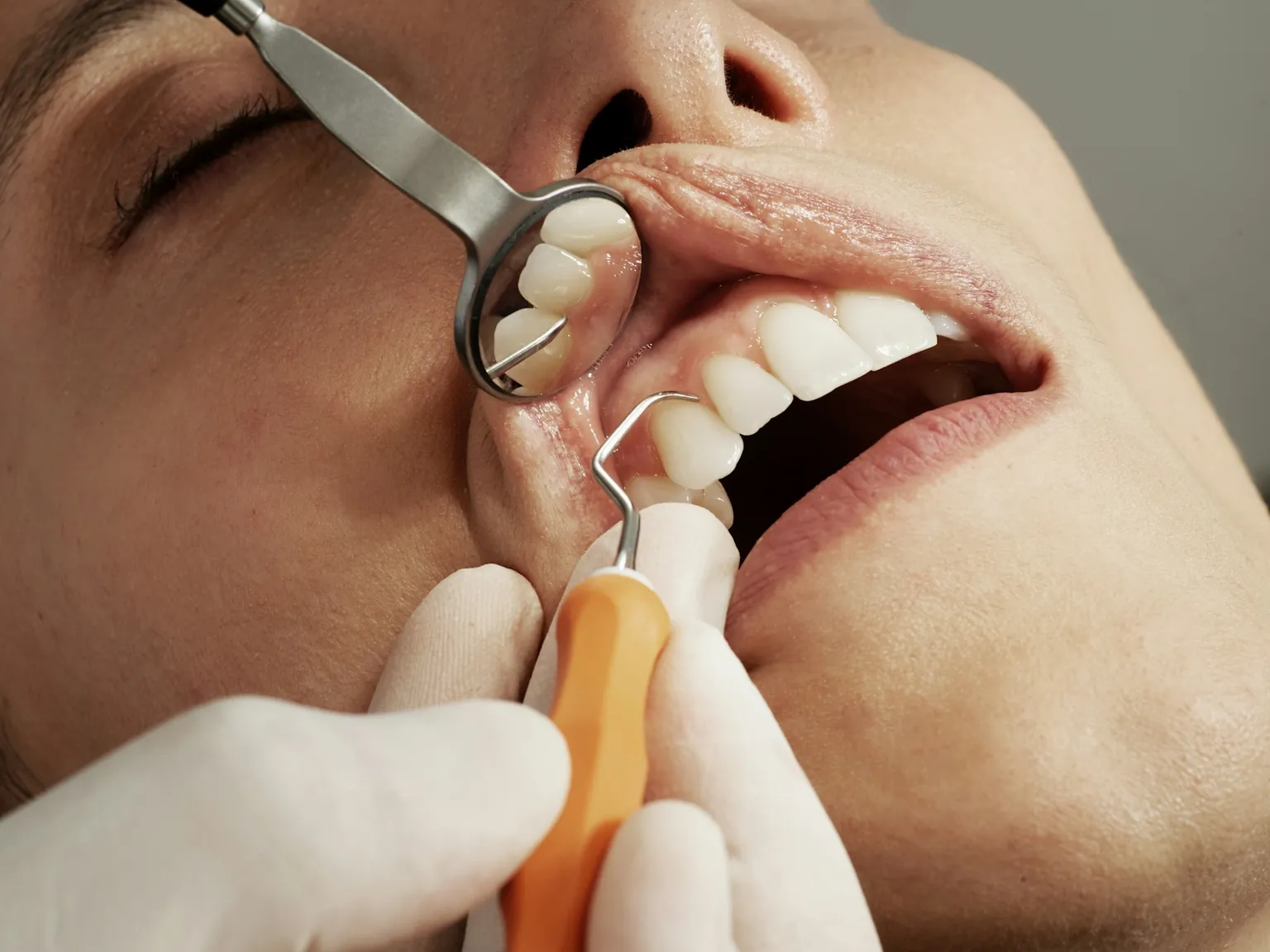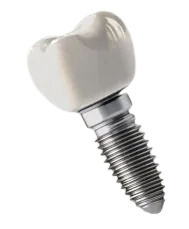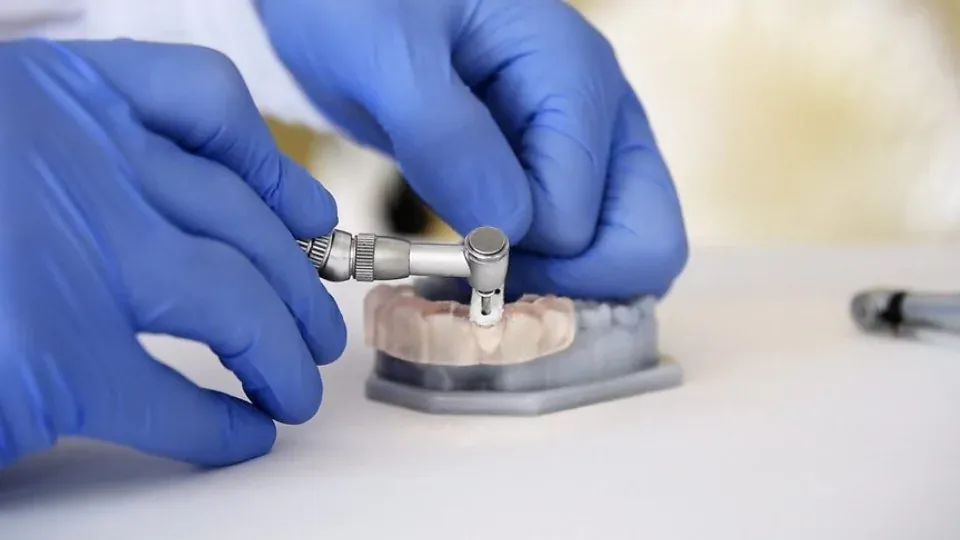

Dental implantology has evolved into one of the most precise and predictable disciplines in modern dentistry, thanks in large part to digital technologies. One innovation that continues to shape the success of implant surgeries is the use of surgical guides. These custom-made templates direct the surgical instruments during implant placement, offering a level of accuracy and confidence that freehand techniques simply can't match.
In this post, we'll explore the top five benefits of using surgical guides in dental implant procedures and why they're becoming the new standard for clinicians seeking optimal outcomes.
1. Unparalleled Accuracy in Implant Placement
The primary advantage of surgical guides is their ability to translate digital planning into exact surgical execution. Designed using 3D imaging (CBCT) and CAD/CAM technology, these guides ensure the implant is placed at the exact angle, depth, and location determined during the planning phase.
This level of precision reduces the risk of misalignment, protects vital anatomical structures (such as nerves and sinuses), and improves the chances of achieving ideal functional and aesthetic results.
2. Improved Patient Safety
Surgical guides help clinicians avoid common surgical complications by providing a clear and controlled pathway for drills and implants. By minimizing guesswork, especially in anatomically complex areas or in cases of limited bone availability, the likelihood of accidental nerve damage or sinus perforation is drastically reduced.
For patients, this means a safer, more predictable experience—a key factor in trust and satisfaction.
3. Reduced Surgery Time and Chair Time
Because implant positions are pre-planned and the guide physically restricts the instrument path, procedures are often quicker and more efficient. This is particularly valuable in multi-implant cases or full-arch restorations, where precise coordination is required.
For clinicians, shorter chair times mean increased productivity and reduced fatigue. For patients, it results in less time under anesthesia and faster recovery.
4. Consistent and Predictable Outcomes
Even experienced clinicians can benefit from the consistency that surgical guides offer. Whether performing a single-tooth implant or a full-arch restoration, surgical guides provide reproducible results across different cases and operators.
This predictability not only enhances clinical confidence but also improves communication with dental labs and ensures smoother workflows from planning to final prosthesis delivery.
5. Enhanced Patient Confidence and Satisfaction
When patients understand that their treatment involves high-precision digital planning and customized surgical tools, their confidence in the procedure increases. This sense of assurance can play a critical role in case acceptance and overall satisfaction.
Moreover, the faster healing and fewer complications associated with guided surgery lead to better patient experiences, positive reviews, and increased referrals.
The integration of surgical guides into dental implantology is more than a technological upgrade—it's a commitment to precision, safety, and clinical excellence. Whether you're just beginning to explore guided implant surgery or are already incorporating it into your practice, the benefits are clear: greater accuracy, improved safety, faster procedures, consistent outcomes, and happier patients.
At Guided4Excellence, we specialize in delivering high-quality, digitally designed surgical guides that help clinicians achieve exceptional results with confidence. Explore our solutions today and take the next step in elevating your implant practice.