
Introduction to CAD CAM in Guided Surgery
Guided surgery design services play a central role in modern implant dentistry by supporting accuracy, predictability, and consistency throughout treatment planning and placement. With the integration of CAD CAM technology, guided surgery design services has evolved from manual methods into a precise, digital workflow that aligns prosthetic goals with anatomical realities.
At Guided Excellence, CAD CAM systems support a structured approach to digital implant planning, allowing clinicians to plan implant positions based on restorative outcomes. This article explains how CAD CAM technology contributes to surgical guide development and how it supports implant success through a controlled and repeatable process.
Understanding CAD CAM Technology in Dentistry
Computer Aided Design and Computer Aided Manufacturing, commonly known as CAD CAM, refers to digital tools used to design and fabricate dental components. In guided implant surgery, this technology enables the creation of accurate surgical guides that translate a virtual plan into a clinical procedure.
CAD software is used to design guides based on digital scans and planning data. CAM systems then manufacture the guide with precise tolerances. Together, these tools reduce variability and help ensure that implants are placed according to the digital plan.
For a dental guide design lab, CAD CAM technology provides a standardized framework that supports consistency across cases while accommodating individual patient anatomy.
The Importance of Digital Implant Planning
Digital implant planning is the foundation of guided surgery. It involves analyzing anatomical data, restorative requirements, and spatial limitations before any physical procedure begins.
Using digital imaging and planning software, clinicians can evaluate bone volume, nerve positions, and prosthetic needs. This process allows the implant position to be planned in relation to the final restoration rather than placing the implant first and adjusting later.
Guided Excellence integrates digital implant planning as part of its guided surgery design services, ensuring that surgical guides reflect both surgical safety and restorative intent.
How CAD CAM Supports Surgical Guide Accuracy
CAD CAM technology improves accuracy by reducing manual steps and translating digital plans directly into physical guides. Once the implant position is finalized in the planning software, the dental surgical guide design is created to control angulation, depth, and position during surgery.
This approach minimizes deviation between the planned and placed implant. It also supports repeatability, especially in complex or multi-unit cases where precision is critical.
For clinicians, this means greater confidence that the guide will perform as intended during surgery.
The 3D Guide Design Process Explained
The 3D guide design process begins after digital planning is complete. Data from CBCT scans and intraoral scans is combined to create a detailed virtual model of the patient's anatomy.
Design software is then used to position sleeves and guide surfaces based on the approved plan. Each design step is reviewed to ensure proper fitness, stability, and compatibility with surgical instruments.
Guided Excellence follows a defined workflow that aligns planning, design, and manufacturing.
Collaboration Between Clinicians and Design Teams
A key advantage of CAD CAM based workflows is improved collaboration. Digital files can be reviewed, adjusted, and approved before fabrication begins.
This collaborative process allows clinicians to provide input on implant positioning, guide support, and surgical preferences. Design teams can then refine the guide to meet these requirements while maintaining accuracy and safety.
As a specialized dental guide design lab, Guided Excellence focuses on clear communication and structured case review to ensure alignment between planning and execution.
Manufacturing Surgical Guides Using CAM Technology
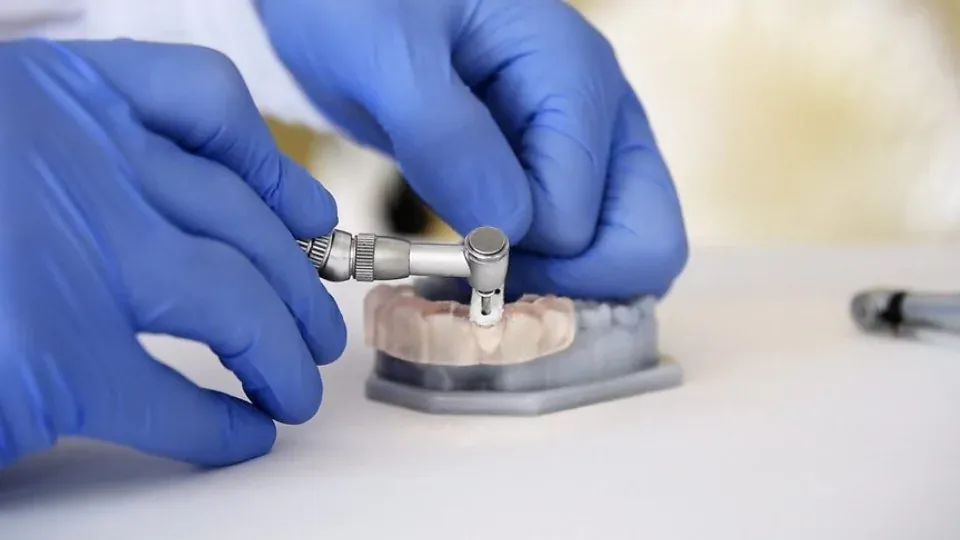
Once the design is approved, CAM technology is used to manufacture the surgical guide. This step involves precise milling or printing based on digital design.
Manufacturing accuracy is essential because even minor deviations can affect implant placement. CAD CAM systems ensure that the physical guide matches the approved digital model as closely as possible.
Quality control checks are performed to verify fit and consistency before the guide is delivered for clinical use.
Benefits of CAD CAM Guided Surgery for Implant Outcomes
CAD CAM guided surgery supports implant success by improving planning accuracy and reducing variability during placement. By controlling implant position, depth, and angulation, guides help clinicians follow the approved plan more consistently.
This structured approach can be particularly beneficial in cases with limited bone, proximity to anatomical structures, or restorative constraints. While outcomes depend on many clinical factors, CAD CAM guided workflows help reduce uncertainty during surgery.
Common Elements in CAD CAM Guided Surgery Workflows
The table below outlines key stages in a CAD CAM based guided surgery workflow and their purpose.
| Stage | Purpose | Outcome |
|---|---|---|
| Digital data collection | Gather anatomical and restorative data | Accurate planning foundation |
| Digital implant planning | Determine implant position virtually | Prosthetically driven placement |
| 3D guide design | Translate plan into a surgical guide | Controlled surgical access |
| CAM manufacturing | Produce the physical guide | Accurate clinical tool |
| Clinical use | Guide implant placement | Consistency with plan |
Why Surgical Guide Design Continues to Evolve
As digital dentistry advances, CAD CAM systems continue to improve accuracy and usability. Software updates, improved imaging, and refined manufacturing techniques contribute to more predictable guide design.
For guided surgery design services, staying aligned with these advancements supports better integration between planning and clinical execution. The goal is not automation for its own sake, but improved clarity and control throughout the treatment process.
Conclusion
CAD CAM technology plays a critical role in modern surgical guide design by supporting accurate planning, precise manufacturing, and consistent clinical execution. Through structured digital implant planning and a controlled 3D guide design process, guided surgery workflows help align surgical placement with restorative goals.
Guided Excellence applies these principles through its guided surgery design services, supporting clinicians with a clear and systematic approach to guide development. If you would like to learn more about the workflow or discuss a case, contact us today.