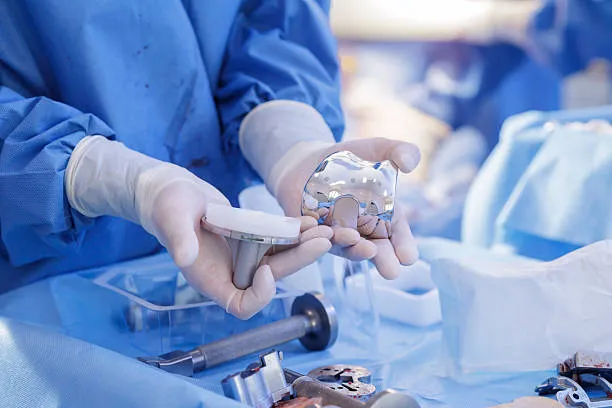

Surgical guides for implants have transformed the way dental professionals approach implant placement, providing unmatched precision and predictability. With the latest digital dentistry technologies, dentists can carefully plan each procedure in advance. Using a dental implant surgical guide, these digital plans are accurately transferred to the patient's mouth, reducing errors and ensuring optimal results. This approach not only improves clinical outcomes but also enhances patient comfort and satisfaction.
What Are Surgical Guides for Implants?
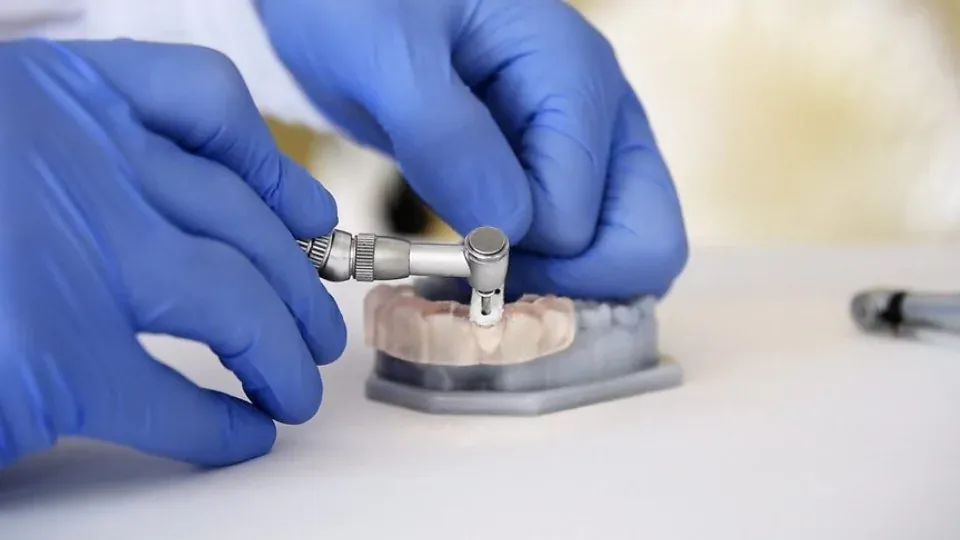
Surgical guides are custom-made templates designed to assist dental professionals in placing implants in the precise location determined during pre-surgical planning. These guides can be created from various materials, including resin and biocompatible plastics, and are often produced using advanced 3D printing technology.
The primary purpose of a surgical guide is to reduce human error during implant placement. By providing exact positioning for drills and implants, surgical guides minimize the risk of damaging surrounding tissues or placing implants in an incorrect angle or depth.
Traditionally, surgical guides were fabricated manually using impressions and plaster models, which could lead to inaccuracies. Modern 3D printed implant surgical guides allow for digital planning and highly precise manufacturing.
Key advantages of surgical guides include:
- Accurate implant positioning at the planned angle and depth
- Reduced risk of damaging adjacent teeth, nerves, or sinuses
- Improved consistency across multiple practitioners
- Customization to each patient's unique anatomy
By integrating digital workflows, dental professionals can also simulate the procedure beforehand, identifying potential challenges and planning solutions. This level of accuracy is particularly important for cases involving multiple implants, limited bone structure, or aesthetic considerations.
Benefits of Using Surgical Guides in Implantology
Surgical guides offer numerous benefits for both dental professionals and patients. Their advantages span from enhanced accuracy to improved patient outcomes and more efficient workflows.
Enhanced Accuracy and Precision
The most significant advantage of surgical guides is the ability to improve implant placement accuracy. Even highly experienced dentists can face challenges in aligning implants perfectly using freehand techniques. Surgical guides remove much of this guesswork.
With precise guides, implants are placed at the exact angle, depth, and position determined during pre-surgical planning. This level of precision reduces the likelihood of errors, such as improper angulation or placement too close to nerves or sinuses. Research has shown that guided implant placement can significantly improve accuracy compared to freehand methods, leading to better long-term success.
Additionally, surgical guides allow for consistent outcomes across different practitioners. Whether an implant is placed by a general dentist or an oral surgeon, using a guide ensures the same high standard of care.
Improved Patient Outcomes
Surgical guides enhance patient outcomes by making procedures faster, safer, and less invasive. By using a guide, surgical time can be reduced, which decreases the risk of complications such as infection or prolonged bleeding. Less surgical trauma often translates to:
- Faster healing and reduced swelling
- Less postoperative discomfort
- Improved aesthetics and long-term implant success
- The ability to place final restorations immediately in some cases
Patients benefit from improved outcomes and fewer appointments. By reducing errors and improving precision, surgical guides help dental professionals achieve higher success rates for implant procedures, which builds patient trust and satisfaction.
Streamlined Workflow for Dental Professionals
Using surgical guides also streamlines workflow in dental practices. Digital planning tools allow dentists to visualize the final outcome before the procedure begins, enabling better communication with patients about treatment options and expected results.
Integrating 3D printed surgical guides into clinical practice can simplify complex procedures, making them more predictable and efficient. For dental professionals who use in-house 3D printing, surgical guides can be fabricated quickly and at a lower cost compared to outsourcing. This reduces delays and allows practices to offer more precise care without significantly increasing overhead.
Furthermore, surgical guides help reduce stress during surgery. Knowing that implants will be accurately placed allows practitioners to focus on technique and patient care rather than worrying about errors. Midway through a surgical procedure, the use of surgical guides for implants can transform complex cases into manageable, routine procedures.
The Role of 3D Printing in Surgical Guide Fabrication
3D printing has revolutionized the way surgical guides are made. Unlike traditional guides, which rely on manual fabrication, 3D printed guides are designed digitally and printed with high precision.
One of the primary advantages of 3D printing is the ability to customize guides for each patient. Using CBCT scans and digital impressions, dental professionals can create a guide that perfectly fits the patient's anatomy. This ensures optimal implant placement and minimizes the risk of errors.
Benefits of 3D printed guides include:
- Patient-specific customization for optimal fit
- Faster production and reduced waiting times
- Durable, lightweight, and easy-to-sterilize materials
- Accurate drill sleeves and depth markers for enhanced precision
The combination of digital planning and 3D printing allows for an unprecedented level of control in implant placement. Dentists and oral surgeons can plan, simulate, and execute procedures with confidence, improving both the efficiency and quality of care.
Implementing Surgical Guides in Your Practice
Introducing surgical guides into a dental practice may seem daunting, but the process is manageable with the right approach. Here are some steps for successful implementation:
Digital Planning
Begin with digital imaging, including CBCT scans and intraoral scans, to plan the implant placement. Software platforms allow precise positioning and visualization of the final outcome.
Guide Fabrication
Using digital plans, the surgical guide is either 3D printed in-house or ordered from a specialized lab. Ensure the material is biocompatible and meets clinical standards.
Training and Education
Dental professionals should undergo training to understand guided surgery principles and the proper use of guides. Many organizations offer workshops and online courses.
Clinical Integration
Start with straightforward cases to become comfortable using guides, then gradually integrate more complex procedures.
Patient Communication
Use the guides to show patients the planned procedure. Visual aids can increase understanding and trust.
Start improving implant accuracy in your practice today by exploring surgical guide options.
Conclusion
Surgical guides for implants have become an indispensable tool in modern dentistry. They enhance precision, improve patient outcomes, and streamline workflow for dental professionals. Whether using traditional or 3D printed guides, these tools help ensure accurate, predictable, and successful implant placement.
For dental practices looking to elevate their implant procedures, adopting surgical guides can be transformative. Patients benefit from safer surgeries, faster recovery, and better results, while dental professionals enjoy improved workflow efficiency and confidence.
To learn more or get started with surgical guides in your practice, Contact Us today.