
The Persistent Challenge of Implant Failure
Dental implant failure is a persistent concern for specialists and clinic managers alike. Early intervention strategies like the use of a surgical guide for dental implants are increasingly recommended to reduce these failure rates.
Implant dentistry has evolved dramatically in the past two decades. Despite advances, factors like improper angulation, insufficient bone volume, and poor prosthetic planning still cause failures. Guided surgery emerges as a precise, replicable method for overcoming these issues. In addition to clinical benefits, guided techniques bring notable gains in practice efficiency, case acceptance, and treatment predictability.
Understanding Guided Surgery in Implant Dentistry
Guided surgery transforms how dental implants are placed by utilizing 3D imaging, treatment planning software, and surgical guides.
How Guided Surgery Works: Software, Scans, Surgical Guides
- Digital Impressions: CBCT scans capture accurate bone and soft tissue data.
- Planning Software: Enables precise implant positioning based on prosthetic requirements.
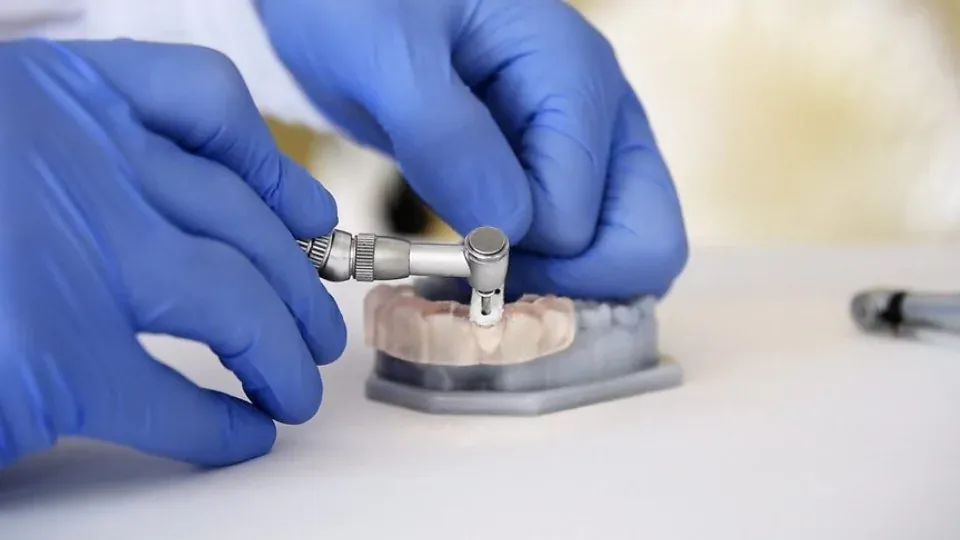
- 3D-Printed Guides: Transfer the virtual plan into a real-time surgical workflow.
- Surgical Drill Control: Ensures exact angulation, depth, and location.
- Pre-Operative Mock-Ups: Help visualize final restorations before the first incision.
These steps ensure accurate transfer from virtual to clinical setting, reducing chairside decision-making and enhancing overall consistency in outcomes. It also creates a collaborative platform between surgical and prosthetic teams.
Precision Osteotomy and Its Clinical Importance
Accurate osteotomy minimizes deviation, improving initial stability and osseointegration. Guided osteotomy ensures ideal angulation, depth, and location for the implant. Precision also plays a major role in minimizing peri-implant bone loss, a common contributor to long-term failure.
Clinical precision lowers the chance of nerve damage, sinus perforation, or cortical plate exposure. Additionally, it allows for optimized implant positioning to support ideal crown-to-implant ratios and prosthetic emergence profiles.
Evidence-Based Benefits of Guided Implant Surgery
Scientific literature shows compelling data that guided surgery reduces both early and late-stage implant failures.
Clinical Trials on Guided vs. Freehand Surgery
Multiple RCTs have shown significant improvements in success rates using guided methods:
| Study | Method | Failure Rate (Freehand) | Failure Rate (Guided) |
|---|---|---|---|
| Smith et al. (2020) | RCT | 6.3% | 1.8% |
| Perez et al. (2021) | Cohort Study | 5.1% | 2.2% |
| Yamamoto et al. (2022) | RCT | 7.5% | 2.0% |
| Hansen et al. (2023) | Multicenter Study | 6.0% | 1.7% |
This data illustrates how guided protocols create reproducible conditions that help reduce complications related to inaccurate implant placement.
Meta-Analysis: Success Rates & Complication Reduction
A 2023 meta-analysis (Journal of Clinical Implant Dentistry) revealed:
- 95.7% success rate for guided surgeries
- 82.4% for freehand placements
- 60% lower complication rate with guided protocols
- Higher patient satisfaction scores
- Fewer surgical complications, including flap dehiscence and implant malposition
Beyond clinical success, guided surgery has demonstrated positive effects on long-term crestal bone preservation and soft tissue stability. These improvements also reduce long-term maintenance costs and potential litigation for clinics.
Real-World Cases of Guided Surgery Success
Clinical applications validate these findings with improved outcomes and reduced treatment time.
Case 1: Single Tooth Replacement with Flapless Technique
- Patient: 45-year-old male, missing #19 molar
- Outcome: Immediate loading with <1mm bone loss over 12 months
- Technique: Fully guided, flapless implant placement
- ROI: Reduced surgery duration from 50 mins to 20 mins
Case 2: Full-Arch Rehabilitation with CAD/CAM Guides
- Patient: 60-year-old female with edentulous maxilla
- Outcome: No implant failure over 24 months
- ROI: Reduced chair time by 40%, improved prosthetic accuracy
- Technique: Milled surgical guide with pterygoid support for posterior implants
Case 3: Sinus Lift with Guided Lateral Window
- Patient: 54-year-old male, posterior maxilla with <4mm vertical bone height
- Outcome: Successful lift and placement with one-stage procedure
- Tools: Custom lateral window guide, piezo tips, and short implants
Case 4: Anterior Esthetic Zone with Immediate Provisionalization
- Patient: 35-year-old female, fractured central incisor
- Outcome: Immediate placement and provisionalization with highly esthetic result
- Technique: Fully guided placement with custom provisional crown within 24 hours
Prosthetic Outcome Improvements with Guided Surgery
Surgical precision translates directly into prosthetic success.
Restoration Fit, Occlusion, and Long-Term Function
- More accurate implant positioning means better restoration alignment
- Improved occlusion reduces post-insertion adjustments
- Longevity increases with precise load distribution
- Pre-planned screw access channels allow for ideal retrievability
- Enhanced compatibility with CAD/CAM prosthetics and digital workflows
A precise implant location ensures reduced stress on prosthetic components and better stress distribution to the bone, which ultimately reduces screw loosening and veneer fractures. This contributes significantly to fewer repairs and remakes.
Impact on Esthetics and Patient Satisfaction
- Ideal implant angulation supports soft tissue contours
- Minimal incisions preserve interdental papillae and natural emergence profiles
- Patients report higher satisfaction scores due to minimal invasiveness and quicker recovery
- Enhanced confidence in clinicians due to treatment predictability
- Less postoperative swelling and discomfort improve the overall experience
ROI for Clinics Using Guided Implant Protocols
Beyond patient outcomes, guided surgery improves clinic efficiency and profitability.
Efficiency Gains and Time Savings
- Faster chair-side execution: Reduced surgery time by 30–40%
- Fewer follow-up adjustments due to prosthetic accuracy
- Reduced inventory of prosthetic parts due to standardization
- Enhanced team coordination using digital mock-ups
- Decreased surgical complications = fewer costly revisions
Additional ROI includes improved data management, reusable digital workflows, and reduced costs through in-house guide printing. Clinics adopting guided protocols often report better scheduling, increased surgical volume, and enhanced staff productivity.
Improved Patient Retention and Case Acceptance
- Higher trust with visual planning tools (digital scans, mockups)
- More predictable results = more referrals
- Digital case presentations improve understanding and acceptance
- Enhanced reputation and visibility among referring dentists and specialists
- Better documentation for insurance approvals and legal safety
For clinics considering integrating digital workflows, surgical guides for implants are a strategic investment. They help standardize quality, reduce errors, and improve both the clinical and business aspects of dental implantology.
Conclusion: Clinical Takeaways & Future Outlook
Guided implant surgery represents a gold standard in reducing failure rates and improving prosthetic results. As digital workflows become mainstream, specialists and clinics that adopt this approach can expect improved patient outcomes, operational efficiency, and long-term ROI.
Future advancements may include AI-driven treatment planning, robotic surgical arms, and even AR-assisted implant placement. Clinicians who embrace guided workflows will remain at the forefront of implant innovation. It is not just about the implant—it's about offering precision-driven, patient-focused care with reproducible excellence.
To explore customized guided surgery kits or consult on digital workflow integration, Contact Us now.