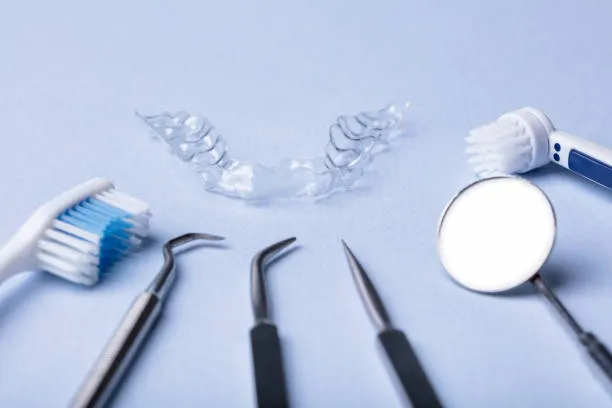

A 3D printed implant surgical guide has become a cornerstone of modern dental implantology. By translating a digital treatment plan directly to the patient's mouth, it allows dental professionals to place implants with exceptional accuracy and predictability. A surgical guide for dental implants minimizes errors, reduces surgical complications, and improves patient outcomes. Incorporating these guides into clinical practice also streamlines workflow, enhances efficiency, and boosts patient confidence.
This comprehensive guide will walk dental surgeons and dental tech specialists through the full process of using a 3D printed implant surgical guide—from digital planning to the final surgical procedure, highlighting practical tips, best practices, and efficiency strategies.
Understanding 3D Printed Implant Surgical Guides
What Are 3D Printed Implant Surgical Guides?
A 3D printed implant surgical guide is a customized template that ensures precise implant placement. Unlike freehand surgery, where the success relies heavily on the clinician's experience, these guides act as a physical roadmap, ensuring implants are positioned exactly as planned.
Key components of the guide include:
- Drill sleeves: Direct the drill at the correct angle and depth
- Support structure: Fits over existing teeth or gums to maintain stability
- Markers: Indicate key reference points for the surgical team
By using these guides, clinicians can avoid potential complications such as nerve damage, sinus perforation, or misaligned implants, improving both safety and predictability.
Advantages of 3D Printed Guides
The benefits of using 3D printed implant surgical guides extend to both clinicians and patients:
- Enhanced Accuracy: Placement is consistent with pre-surgical planning, reducing the likelihood of errors.
- Reduced Surgical Time: Streamlined procedures decrease time in the chair and minimize patient discomfort.
- Improved Patient Outcomes: Proper implant positioning leads to better aesthetic results and faster healing.
- Consistency Across Cases: Standardized guides provide predictable results for both simple and complex cases.
- Better Communication: Guides help dental teams and patients understand the procedure clearly.
Materials and Technology
Modern 3D printed guides are made using:
- Stereolithography (SLA): Produces smooth, precise guides suitable for surgical use
- Digital Light Processing (DLP): Fast printing with high accuracy
- Biocompatible resins: Safe for sterilization and surgical application
The combination of advanced software and biocompatible materials ensures that guides are reliable, accurate, and easy to integrate into dental workflows.
Digital Implant Planning for Guided Surgery
Scanning and Imaging
Accurate digital planning begins with comprehensive imaging:
- CBCT Scans: Provide 3D views of the jawbone, nerves, and sinuses
- Intraoral Scans: Capture precise dental anatomy for a perfect fit
- Alignment Checks: Ensure the digital model matches real-world anatomy
High-quality imaging is critical to prevent complications and maximize implant success.
Planning the Implant Placement
Digital planning software allows teams to:
- Choose the ideal implant size, shape, and position
- Visualize the final restoration before surgery
- Simulate multiple placement options and assess bone density
This planning stage ensures that the guide will position implants exactly where they need to be, avoiding costly mistakes during surgery.
Validating the Digital Plan
Validation is a crucial step:
- Simulation: Test implant positioning virtually to identify challenges
- Team Review: Surgeons and dental technicians collaborate to finalize the plan
- Adjustments: Fine-tune guide design for optimal fit and accuracy
By rigorously validating the plan, clinicians can ensure a smooth surgical workflow and high precision in implant placement.
Step-by-Step Workflow for Using 3D Printed Guides
Fabricating the Surgical Guide
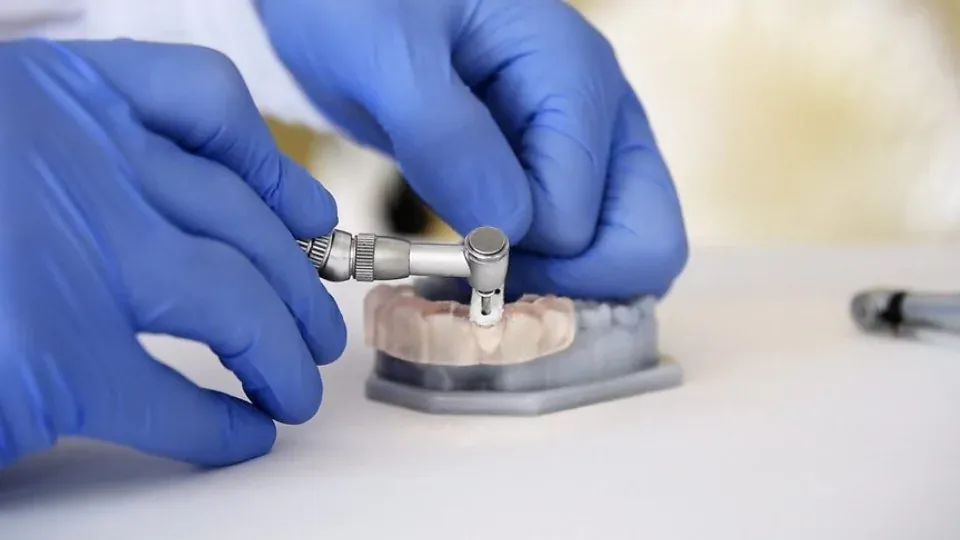
Once the digital plan is finalized, the surgical guide is produced using 3D printing technology:
- Export the design to a 3D printer
- Print using biocompatible resin
- Post-processing, including cleaning, curing, and fit verification
A properly fabricated 3D printed implant surgical guide ensures that the planned procedure is executed accurately and efficiently.
Pre-Surgical Preparation
Before surgery, careful preparation is vital:
- Sterilize the guide and instruments
- Confirm guide fit in the patient's mouth
- Prepare implants, drills, and other tools
- Brief the surgical team and review the workflow
Good preparation prevents errors and minimizes delays during the procedure.
Guided Surgical Procedure
During surgery:
- Position the guide in the patient's mouth, confirming stability
- Use drill sleeves to guide implants to the exact depth and angle
- Follow the digital plan while maintaining proper irrigation and visibility
- Monitor placement at each stage to ensure precision
Tips for a successful guided surgery:
- Double-check guide stability before drilling
- Ensure soft tissue management does not interfere with guide fit
- Keep instruments and implants organized for efficiency
Post-Surgical Considerations
After placement:
- Remove the guide and check for any adjustments
- Confirm implant position with postoperative imaging
- Provide detailed patient care instructions
- Schedule follow-up visits to monitor healing and success
Proper post-surgical evaluation ensures long-term success and patient satisfaction.
Best Practices and Tips for Dental Teams
To maximize the benefits of 3D printed guides:
- Collaboration: Ensure effective communication between surgeons and dental technicians
- Guide Verification: Check the fit and accuracy before surgery
- Sterilization Protocols: Maintain strict standards for patient safety
- Workflow Optimization: Prepare multiple guides for complex cases to reduce delays
- Staff Training: Educate the team on digital planning software and surgical protocols
Start improving implant accuracy in your practice today by implementing 3D printed surgical guides.
Additionally, integrating checklists and standard operating procedures for guided surgery can reduce errors and streamline clinical workflow.
Advanced Tips for Complex Cases
For cases with multiple implants or challenging anatomy:
- Use digital simulation to plan the entire procedure step by step
- Consider bone density and quality when selecting implant positions
- Utilize multi-unit guides for simultaneous placement of multiple implants
- Regularly review and update your digital library of guides to improve efficiency
These advanced practices ensure even the most complex cases are predictable and safe.
Benefits Beyond Surgery
The use of 3D printed implant surgical guides also provides:
- Patient Education: Helps patients visualize the procedure and understand treatment benefits
- Reduced Stress for Clinicians: Less reliance on freehand placement increases confidence
- Long-Term Cost Savings: Minimizes errors and rework, reducing overall treatment costs
- Enhanced Reputation: Delivering predictable results enhances practice credibility
By adopting these tools, dental teams not only improve clinical outcomes but also provide better overall patient care.
Conclusion
3D printed implant surgical guides are revolutionizing dental implant procedures, offering unmatched precision, efficiency, and safety. By combining digital planning with high-quality 3D printing, dental teams can place implants accurately, reduce surgical errors, and improve patient outcomes.
For dental practices seeking to elevate their implant procedures, adopting these guides is a transformative step. Patients benefit from faster healing, fewer complications, and more predictable results. To get started with 3D printed surgical guides in your practice, Contact Us today.