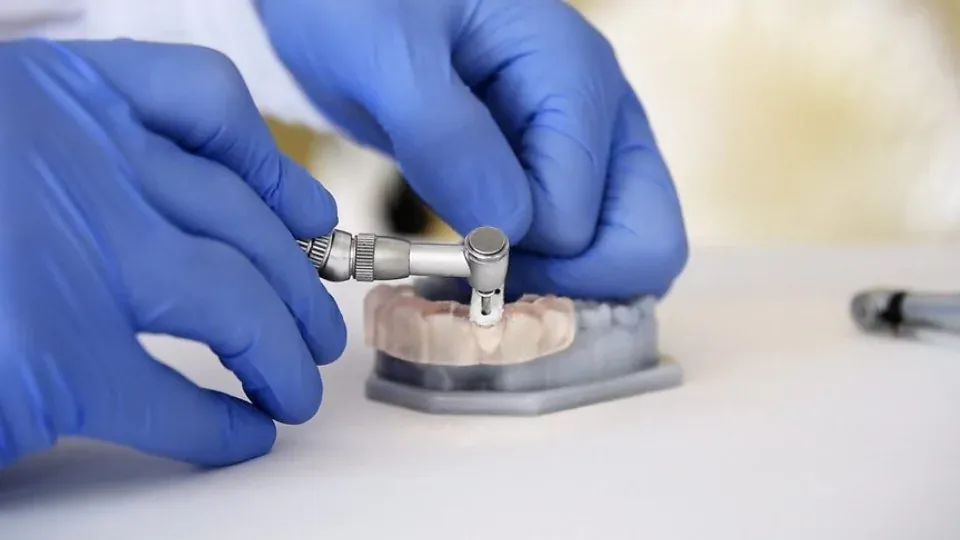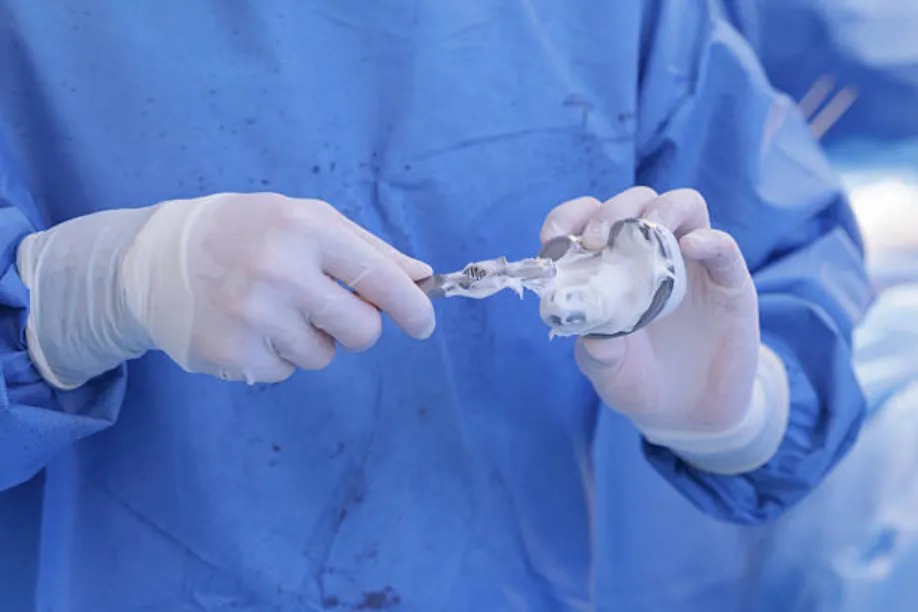

An implant surgical guide plays a critical role in modern implant dentistry by helping clinicians place dental implants with greater accuracy and predictability. As technology has evolved, dental professionals now choose between traditional surgical guides and digitally planned guides. Each approach follows a different workflow, offers unique advantages, and suits specific clinical situations.
At Guided Excellence, implant surgical guides are developed using structured planning protocols designed to support precise implant placement. This article explains the differences between traditional and digital approaches, how guided implant systems work, and what factors may influence the choice between the two.
Understanding the Purpose of an Implant Surgical Guide
A dental implant surgical guide is a device used during implant placement to control the position, angle, and depth of the implant. The guide acts as a physical reference, helping transfer pre-surgical planning into the clinical setting.
Surgical guides are commonly used to:
- Improve placement accuracy
- Support restorative-driven implant planning
- Reduce intraoperative guesswork
- Increase consistency across cases
Both traditional and digital guides serve this purpose, but the way they are designed and manufactured differs significantly.
What Is a Traditional Implant Surgical Guide?
Traditional guides are typically fabricated using physical impressions, stone models, and manual planning. The clinician determines an implant position based on diagnostic casts and radiographs, then transfers this plan into a guide created in a dental laboratory.
How Traditional Guides Are Created
The traditional workflow often includes:
- Physical impressions of the patient's dentition
- Diagnostic wax-ups or stone models
- Manual measurements and visual assessment
- Laboratory fabrication of the guide
This method relies heavily on the clinician's experience and interpretation of anatomical landmarks.
Limitations of Traditional Guides
While widely used for many years, traditional guides may present challenges such as:
- Limited visualization of bone anatomy
- Reduced precision in angulation and depth
- Greater dependence on manual alignment during surgery
These limitations led to the development of digital alternatives.
What Is a Digital Implant Surgical Guide?
A digital implant surgical guide is designed using digital planning software that combines three-dimensional imaging with restorative planning. This approach allows implant placement to be planned virtually before surgery.
Guided Excellence offers digitally designed solutions through structured workflows found in its implant surgical guide services, supporting clinicians who prefer a digital planning process.
How Digital Guides Are Developed
The digital workflow generally includes:
- Cone beam computed tomography imaging
- Digital intraoral scans or scanned models
- Virtual implant positioning in planning software
- Guide fabrication based on the finalized plan
This process allows clinicians to visualize anatomical structures such as bone volume and nerve pathways before surgery.
Digital vs Traditional Guide: Key Workflow Differences
Understanding the digital vs traditional guide distinction starts with how information is collected and transferred into the surgical environment.
Traditional guides rely on physical models and manual alignment, while digital guides are designed using virtual planning tools. Digital workflows reduce variability by allowing implant position to be reviewed and refined before fabrication.
Digital planning also supports clearer communication between clinicians and guide designers, helping ensure the surgical guide reflects the intended restorative outcome.
Accuracy and Predictability in Guided Implant Systems
Guided implant systems are designed to enhance accuracy during implant placement. Digital guides allow for controlled drilling sequences and predetermined implant positions.
Traditional guides may offer basic directional assistance, but they typically provide less control over depth and angulation. Digital guides, when used correctly, allow clinicians to follow a predefined plan more consistently.
That said, both systems depend on proper case selection, planning, and surgical execution.
Clinical Flexibility and Case Selection
Not every case requires the same level of guidance. Simple cases with sufficient bone volume may be suitable for traditional guides. More complex cases, such as those involving limited space or proximity to anatomical structures, often benefit from digital planning.
A dental implant surgical guide should be selected based on:
- Case complexity
- Available diagnostic data
- Restorative goals
- Clinician workflow preferences
Digital systems offer enhanced planning tools, but traditional guides remain relevant in certain scenarios.
Time, Planning, and Laboratory Considerations
Traditional workflows may require fewer digital steps but often involve longer laboratory turnaround times and manual adjustments.
Digital guides require upfront planning and data acquisition, but once the plan is finalized, fabrication is streamlined. Digital files also allow easier storage and modification for future references.
The choice between workflows often depends on how a practice integrates digital tools into daily operations.
Cost Considerations and Practical Use
Dental Implant Surgical Guide Cost for Every Practice is an important factor when comparing traditional and digital guides. Digital planning may involve software, imaging, and fabrication expenses, while traditional guides rely more on laboratory labor.
However, cost should be weighed alongside predictability, planning efficiency, and clinical confidence. A well-designed implant surgical guide supports smoother procedures regardless of the workflow chosen.
Comparison Table: Traditional vs Digital Implant Surgical Guides
| Aspect | Traditional Guide | Digital Guide |
|---|---|---|
| Planning method | Physical models and manual planning | Virtual 3D planning |
| Visualization | Limited anatomical detail | Detailed bone and anatomy view |
| Accuracy control | Directional guidance | Controlled angulation and depth |
| Workflow | Laboratory-dependent | Digitally integrated |
| Case suitability | Simple cases | Simple to complex cases |
Choosing the Right Approach for Your Practice
There is no single solution that fits every clinician or every case. Some practices may continue using traditional guides successfully, while others adopt digital workflows for greater consistency.
Guided Excellence supports digital planning through structured processes that align surgical placement with restorative objectives. Understanding both methods allows clinicians to make informed decisions based on patient needs and clinical goals.
Conclusion
Choosing between traditional and digital implant surgical guide depends on workflow preferences, case complexity, and planning requirements. Both approaches aim to support accurate implant placement, but they differ in how planning and execution are achieved.
By understanding the strengths and limitations of each option, clinicians can select an implant surgical guide that aligns with their clinical approach and treatment objectives. To learn more about guided planning solutions, contact us today.