
Getting dental implants can feel overwhelming. You're investing significant time and money into restoring your smile, and naturally, you want everything to go perfectly. Here's some good news: modern dentistry has evolved dramatically, and one innovation is changing the game entirely—the implant surgical guide.
If you're considering dental implants or you're a dental professional exploring better treatment options, understanding how a dental surgical guide works and why it matters could be the difference between a good outcome and an exceptional one.
What Exactly Is an Implant Surgical Guide?
Think of an implant surgical guide as a GPS system for your dental implant procedure. Just as you wouldn't drive cross-country without navigation, your dentist shouldn't place an implant without precise guidance.
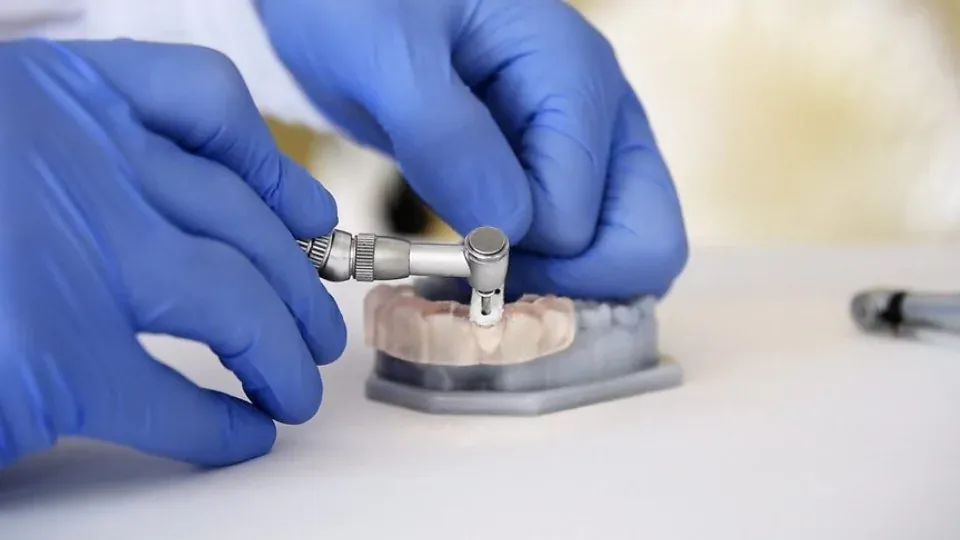
An implant surgical guide is a custom-made template—usually created from 3D scans of your mouth, that fits over your teeth or gums during surgery. It contains precisely positioned holes that direct the drill to the exact location, angle, and depth where your implant needs to be placed.
This isn't just fancy technology for technology's sake. The benefits of implant surgical guide technology directly translate to better outcomes, faster healing, and fewer complications for patients like you.
Before we dive into the specific advantages, let's understand why precision matters so much in implant dentistry. Your jawbone contains nerves, sinuses, and blood vessels. Placing an implant even a few millimeters off target can mean the difference between success and serious complications. That's where the dental surgical guide becomes invaluable.
Ready to explore how this technology can transform your implant experience? Submit your case to see how guided implant surgery can work for you.
Benefit #1: Unmatched Precision and Accuracy
When it comes to dental implants, precision isn't just important—it's everything.
Traditional freehand implant placement relies heavily on the surgeon's experience and judgment. While skilled dentists achieve good results, human estimation has inherent limitations. An implant surgical guide eliminates guesswork entirely.
How Precise Are We Talking?
Studies show that guided implant surgery achieves accuracy within 1-2 millimeters, compared to 3-5 millimeters with freehand techniques. That might not sound like much, but in the confined space of your mouth, those millimeters are massive.
The dental surgical guide benefits include:
- Perfect angulation: The implant enters your jawbone at the exact angle planned, ensuring optimal load distribution and longevity
- Ideal depth control: No risk of going too shallow (causing implant failure) or too deep (damaging nerves or sinuses)
- Optimal positioning: Your implant sits exactly where it needs to be for both function and aesthetics
Here's a real-world example: Imagine you're getting an implant in your upper jaw near your sinus cavity. With an implant surgical guide, your dentist knows precisely how much bone is available and can place the implant safely without penetrating the sinus. Without this guidance, there's a risk of sinus perforation—a painful complication that extends healing time significantly.
For patients with complex cases—multiple missing teeth, bone loss, or anatomical challenges—the benefits of implant surgical guide technology become even more pronounced. Submit your case today to discover how precision-guided surgery can address your specific situation.
Benefit #2: Dramatically Reduced Surgery Time
Nobody wants to spend more time in the dental chair than necessary, especially during surgery.
One of the most appreciated dental surgical guide benefits is how much faster the procedure becomes. What might take 60-90 minutes with traditional methods can often be completed in 30-45 minutes with guided surgery.
Why Does an Implant Surgical Guide Save Time?
The answer is simple: preparation and certainty.
With a dental surgical guide, all the planning happens before you sit in the chair. Your dentist has already determined the exact placement, angle, and depth. There's no pausing mid-procedure to take additional X-rays, no adjusting the approach, no second-guessing.
The guide directs the drill precisely where it needs to go. Your dentist follows the predetermined path, places the implant, and you're done.
Time savings translate to:
- Less time under local anesthesia
- Reduced physical and mental fatigue
- Lower risk of complications (shorter procedures mean less tissue exposure)
- Faster recovery (less surgical trauma)
For patients receiving multiple implants, the time savings multiply. A full-arch restoration that might traditionally require several hours can be completed much more efficiently with an implant surgical guide.
Planning a complex implant case? Submit your case to learn how guided surgery can reduce your time in the chair.
Benefit #3: Minimally Invasive Approach with Faster Healing
Traditional implant surgery often requires cutting open your gums to expose the bone—a procedure called "flap surgery." While effective, it's more invasive, causes more discomfort, and requires longer healing.
An implant surgical guide enables a technique called "flapless surgery" in many cases.
What Is Flapless Implant Surgery?
With a dental surgical guide, your dentist can often place implants through small punches in the gum tissue rather than making large incisions. The guide's precision means they can work through these tiny openings while maintaining perfect accuracy.
The dental surgical guide benefits for healing include:
- Minimal tissue trauma: Smaller incisions mean less damage to surrounding tissues
- Reduced bleeding: Less cutting means less blood loss during and after surgery
- Decreased swelling: Patients typically experience significantly less post-operative swelling
- Less pain: Smaller wounds hurt less—it's that simple
- Faster recovery: Many patients return to normal activities within 24-48 hours instead of a week
One patient described their experience: "I expected to be laid up for days with ice packs and pain medication. Instead, I had mild discomfort for about a day and was back at work the next morning. The implant surgical guide made such a difference."
This minimally invasive approach is particularly beneficial for patients who are anxious about surgery or those with medical conditions that affect healing, such as diabetes or autoimmune disorders.
The benefits of implant surgical guide technology extend beyond the procedure itself—they fundamentally change your recovery experience. Want to experience minimally invasive implant surgery? Submit your case for a personalized treatment plan.
Benefit #4: Predictable Aesthetic Results
Dental implants aren't just about function—they're about restoring your smile and confidence.
One of the most significant dental surgical guide benefits is the ability to achieve predictable, beautiful aesthetic outcomes. This is especially critical for implants in the "smile zone"—your front teeth that show when you smile.
Why Aesthetics Matter in Implant Placement
The position of your implant affects how the final crown looks. Place it too far forward, and the crown looks bulky. Too far back, and it appears recessed. Wrong angle, and the crown doesn't emerge naturally from the gum line.
An implant surgical guide ensures your implant is positioned with the final restoration in mind—a concept called "prosthetically driven implant placement."
Here's how the implant surgical guide delivers aesthetic excellence:
- Proper emergence profile: The crown emerges from your gums at a natural angle, mimicking real teeth
- Ideal gum contours: Correct implant positioning supports healthy, natural-looking gum tissue
- Symmetry: When replacing multiple front teeth, guides ensure perfect symmetry
- Proper spacing: Adequate space between implants and adjacent teeth prevents aesthetic compromises
For patients concerned about how their implants will look, the benefits of implant surgical guide technology provide peace of mind. You're not leaving aesthetics to chance—you're following a precise blueprint for a beautiful smile.
Concerned about how your implants will look? Submit your case to see how guided surgery ensures beautiful, natural-looking results.
Benefit #5: Enhanced Safety and Reduced Complications
Safety should be your top priority when considering any surgical procedure, and dental implants are no exception.
The implant surgical guide significantly enhances patient safety by providing a protective barrier between the surgical site and critical anatomical structures.
What Can Go Wrong Without Proper Guidance?
While serious complications are rare with experienced surgeons, they can occur:
- Nerve damage: Hitting the inferior alveolar nerve in the lower jaw can cause numbness or tingling in your lip, chin, or tongue
- Sinus perforation: Penetrating the maxillary sinus in the upper jaw can lead to infections and implant failure
- Excessive bleeding: Damaging blood vessels can cause significant bleeding and hematomas
- Implant failure: Poor positioning leads to inadequate bone integration and eventual implant loss
An implant surgical guide acts as a safety mechanism, preventing these complications before they occur.
The dental surgical guide benefits for safety include:
- Pre-surgical risk assessment: Potential problems are identified during the digital planning phase, not during surgery
- Controlled drilling: The guide restricts drill movement, preventing accidental deviation into danger zones
- Consistent results: Even less experienced surgeons can achieve expert-level outcomes with proper guidance
- Reduced revision surgeries: Getting it right the first time means fewer corrective procedures
For patients with complex anatomy—limited bone height, proximity to nerves, or previous surgical complications—the benefits of implant surgical guide technology can make the difference between being a candidate for implants or not.
Safety is paramount in implant dentistry. Ensure your procedure is as safe as possible—Submit your case for guided implant surgery.
How the Implant Surgical Guide Process Works
Understanding the process helps you appreciate why the implant surgical guide is so effective and how it works.
Step 1: Digital Imaging
Your dentist takes a CBCT (Cone Beam Computed Tomography) scan—a 3D X-ray of your jaw. This scan captures every detail: bone density, nerve locations, sinus positions, and available space.
Step 2: Digital Planning
Using specialized software, your dentist virtually places your implants in the ideal positions. They can see exactly how much bone is available, where nerves are located, and how the final restoration will look.
This is where the dental surgical guide benefits begin—problems are solved digitally before surgery, not during it.
Step 3: Guide Fabrication
Based on the digital plan, a custom implant surgical guide is manufactured—usually using 3D printing technology. This guide is unique to your mouth and your specific treatment plan.
Step 4: Guided Surgery
During your procedure, the guide fits precisely over your teeth or gums. Your dentist follows the guide's predetermined pathways, placing each implant exactly as planned.
Step 5: Immediate or Delayed Restoration
In many cases, the precision of the dental surgical guide allows for immediate temporary teeth, meaning you leave the office with a complete smile the same day.
Who Benefits Most from Dental Surgical Guides?
While the benefits of implant surgical guide technology apply to virtually all implant cases, certain situations particularly benefit:
Complex Cases
- Multiple missing teeth requiring several implants
- Full-arch restorations (All-on-4 or All-on-6 procedures)
- Limited bone availability
- Proximity to nerves or sinuses
Aesthetic Cases
- Front tooth replacements
- Patients with high smile lines (showing more gum tissue)
- Cases requiring perfect symmetry
Medical Considerations
- Patients taking blood thinners (minimally invasive approach reduces bleeding)
- Diabetic patients (faster healing is crucial)
- Patients with anxiety about surgery (shorter, more predictable procedures)
Immediate Loading Cases
When temporary teeth are placed the same day as implants, the precision of an implant surgical guide is essential for success.
The Technology Behind Dental Surgical Guides
The implant surgical guide represents the convergence of several advanced technologies:
- CBCT Imaging: Provides detailed 3D views of your jaw anatomy with radiation exposure significantly lower than traditional CT scans.
- CAD/CAM Software: Computer-Aided Design and Computer-Aided Manufacturing allow precise virtual planning and guide fabrication.
- 3D Printing: Creates custom guides with accuracy measured in microns (thousandths of a millimeter).
- Digital Workflow Integration: Seamlessly connects diagnosis, planning, surgery, and restoration for optimal outcomes.
This technological integration is what makes the dental surgical guide benefits so substantial—it's not just one innovation but a complete system working together.
Choosing a Provider for Guided Implant Surgery
Not all dental practices offer guided implant surgery, and expertise varies significantly.
Look for providers who:
- Use current CBCT technology
- Have extensive experience with guided surgery
- Can show you before-and-after cases
- Explain the process clearly and answer your questions
- Use reputable guide systems and implant brands
The dental surgical guide is only as good as the planning behind it and the surgeon using it. Experience matters.
At Guided Excellence, we specialize in precision-guided implant dentistry, combining advanced technology with clinical expertise to deliver exceptional outcomes. Our team has placed thousands of implants using surgical guides, and we're committed to making your experience as comfortable and successful as possible.
Ready to experience the difference that precision makes? Submit your case for a comprehensive evaluation and personalized treatment plan.
Real Patient Experiences with Implant Surgical Guides
Nothing speaks louder than real results. Patients who've experienced guided implant surgery consistently report:
- Surprise at how quick and comfortable the procedure was
- Minimal post-operative discomfort
- Rapid return to normal activities
- Satisfaction with the aesthetic results
- Confidence in the precision and safety of the approach
One patient shared: "I'd been putting off implants for years because I was terrified of the surgery. When my dentist explained the implant surgical guide and showed me the digital plan, I finally felt comfortable moving forward. The actual procedure was so much easier than I imagined, and my new teeth look completely natural."
These experiences highlight the real-world benefits of implant surgical guide technology—not just clinical outcomes but improved patient experiences and satisfaction.
Conclusion: The Clear Advantage of Guided Implant Surgery
If you're considering dental implants, the choice between traditional freehand placement and guided surgery should be clear.
The implant surgical guide represents the evolution of implant dentistry—combining advanced technology with clinical expertise to deliver outcomes that simply weren't possible a decade ago.
Ready to experience the difference that precision-guided implant surgery can make? Submit your case today for a comprehensive evaluation. Our team at Guided Excellence will review your specific situation, answer your questions, and create a personalized treatment plan using the latest in dental surgical guide technology.