
Introduction to Guided Implant Surgery
Guided implant surgery is revolutionizing how dental professionals approach implant placement. By combining digital implant planning, CBCT-guided surgery, and 3D-printed implant guides, dentists can achieve unprecedented levels of accuracy and predictability.
This technology-driven approach minimizes surgical risks, shortens recovery times, and enhances long-term implant success. Unlike traditional freehand methods, guided surgery offers precision down to fractions of a millimeter, ensuring the perfect implant position every time.
As more clinics transition toward digital workflows, guided implant surgery is quickly becoming the new standard for excellence in modern implantology.
Understanding Guided Implant Surgery
Guided implant surgery refers to the use of advanced digital tools to plan and execute implant placement with exceptional accuracy. The process starts with a 3D digital scan of the patient's mouth using CBCT (Cone Beam Computed Tomography).
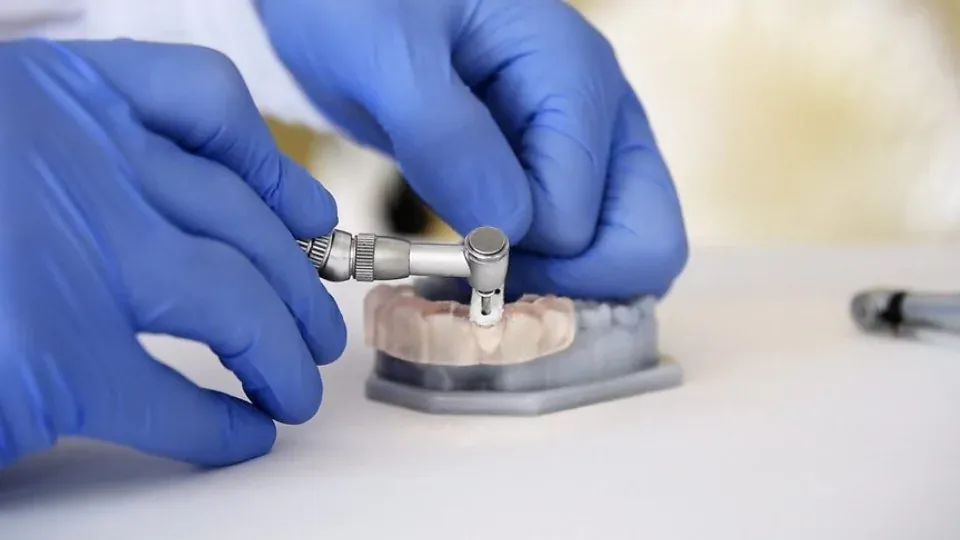
This data is then imported into specialized software for digital implant planning. Here, the dentist determines the ideal implant position, angle, and depth before the actual surgery. Once the plan is finalized, a 3D-printed implant guide is created, a customized surgical template that directs the drill precisely during the operation.
Compared to freehand techniques, guided implant surgery eliminates guesswork and significantly reduces the risk of nerve injury or implant misplacement.
The Technology Behind Guided Implant Surgery
The success of guided implant surgery relies heavily on modern digital technologies. The integration of CBCT-guided surgery allows dentists to visualize bone density, root positions, and vital anatomical structures in 3D.
Digital implant planning software enables precise virtual placement, allowing for prosthetic-driven planning, meaning implants are positioned exactly where the final restoration requires.
Once the plan is ready, a 3D-printed implant guide is fabricated. This physical guide ensures that every drill hole and implant position matches the virtual design perfectly. The result? Fewer complications, less chair time, and consistent surgical outcomes.
In essence, guided surgery dental implant systems bridge the gap between digital design and surgical reality.
Benefits of Guided Implant Surgery
The advantages of guided implant surgery extend to both clinicians and patients:
- Unmatched Precision: Digital planning ensures accurate implant positioning.
- Reduced Surgical Time: The pre-planned approach shortens procedures and recovery.
- Patient Comfort: Smaller incisions and less invasive techniques mean minimal discomfort.
- Predictable Results: With every step planned in advance, outcomes are more consistent.
- Fewer Complications: Proper alignment reduces nerve injury and bone loss risks.
For dental professionals, guided surgery improves workflow efficiency and builds patient confidence, key elements for any thriving practice.
How Guided Implant Surgery Improves Clinical Outcomes
Using guided implant surgery, dentists can achieve far greater consistency compared to manual methods. Since every step is digitally controlled, implant positioning errors are nearly eliminated.
This precision leads to better prosthetic alignment, improved occlusion, and long-term implant stability. Patients experience faster healing, fewer follow-up visits, and greater satisfaction.
For clinics, digital implant planning also enhances communication among team members, allowing lab technicians and surgeons to collaborate seamlessly on each case.
Ultimately, guided surgery dental implant systems help clinics deliver safer, more efficient, and more aesthetically pleasing restorations.
The Role of CBCT Guided Surgery in Digital Implantology
Using guided implant surgery, dentists can achieve far greater consistency compared to manual methods. Since every step is digitally controlled, implant positioning errors are nearly eliminated.
With Guided4 Excellence advanced digital planning systems, clinicians can ensure precise implant placement that enhances both function and aesthetics. This precision leads to better prosthetic alignment, improved occlusion, and long-term implant stability. Patients experience faster healing, fewer follow-up visits, and greater satisfaction.
By relying on this imaging technology, dentists can anticipate potential challenges — such as bone deficiencies or sinus proximity before performing the procedure. The result is a more controlled and predictable surgical experience.
Step-by-Step Process of Guided Implant Surgery
The guided implant surgery workflow follows a structured digital sequence:
- Patient Assessment: A CBCT scan and an intraoral scan capture the patient's anatomy.
- Digital Implant Planning: Using 3D software, the implant's ideal position, angle, and depth are virtually designed.
- Implant Guide Fabrication: The finalized plan is sent to a 3D printer to produce a custom surgical guide.
- Surgical Placement: The dentist uses the guide to position the drill and insert the implant precisely.
- Restoration and Follow-Up: Once osseointegration occurs, the final prosthesis is attached with perfect alignment.
This efficient process ensures minimal error and repeatable excellence across all implant cases.
Guided Implant Surgery vs Traditional Freehand Placement
When comparing guided implant surgery to traditional freehand placement, the advantages become clear.
Freehand surgery depends heavily on the dentist's skill and spatial awareness. While experienced clinicians can achieve good results, the process involves greater risk and variability.
In contrast, guided surgery dental implant systems provide a digital map for accuracy. Every movement is planned and executed based on CBCT data, leading to more predictable outcomes.
Furthermore, guided techniques shorten surgery duration, reduce patient discomfort, and minimize post-operative complications — all while improving prosthetic accuracy.
The Future of Guided Implant Surgery and Digital Dentistry
The future of guided implant surgery is bright, with rapid advancements in digital technology. Artificial intelligence (AI) and machine learning are beginning to enhance digital implant planning, providing even greater accuracy in bone mapping and implant positioning.
Real-time navigation systems may soon allow dentists to visualize surgical instruments inside the patient's anatomy during the procedure, blending virtual and physical precision.
Additionally, cloud-based planning platforms will improve collaboration between dentists, labs, and specialists across different locations. These innovations will make guided surgery more accessible and efficient, setting a new standard in implant dentistry.
Conclusion: Why Guided Implant Surgery Defines the Future of Implant Dentistry
Guided implant surgery represents a revolutionary step in dental precision, transforming implant procedures from manual artistry into digitally-driven perfection. With technologies like CBCT-guided surgery and digital implant planning, clinicians can now place implants with confidence, accuracy, and predictability.
Adopting guided surgery not only enhances patient safety and satisfaction but also elevates your practice's credibility and efficiency. The combination of advanced imaging, 3D printing, and software-guided planning ensures results that are consistently excellent. Contact us today to learn how guided surgery can transform your dental implant workflow, improve outcomes, and position your clinic at the forefront of digital innovation.