
Modern implantology has transformed the patient experience, replacing painful, uncertain procedures with precision-based approaches. For patients exploring a dental surgical guide, the shift to guided implant surgery has proven to be a game-changer.
Dental implants have come a long way. What was once an invasive and manually-intensive process has become a streamlined, tech-enabled solution focused on minimizing pain and speeding up healing. At the center of this transformation is the use of guided surgical systems that combine digital planning, CBCT imaging, and custom surgical tools.
This blog explores the patient journey from diagnosis to healing with guided dental implants. With an emphasis on real results, comfort, and minimal downtime, we'll also examine how this modern approach compares to traditional techniques.
The Evolution of Dental Implants
What Are Guided Dental Implants?
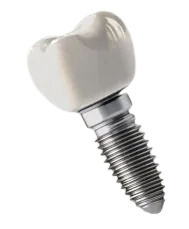
Guided dental implants use computer-aided surgical guides to direct the placement of implants with unparalleled precision.
How Surgical Guides Work
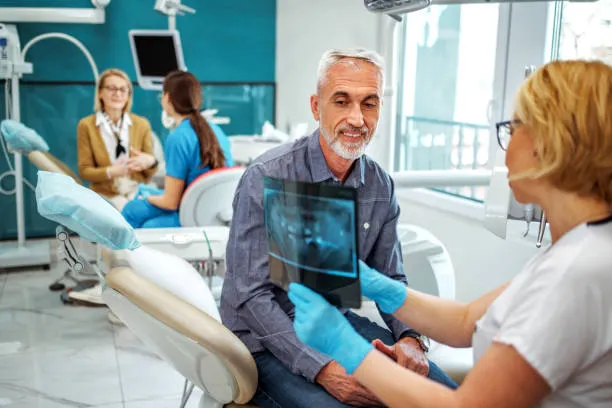
- A 3D scan of the patient's jaw is taken
- Digital planning software maps the ideal implant position
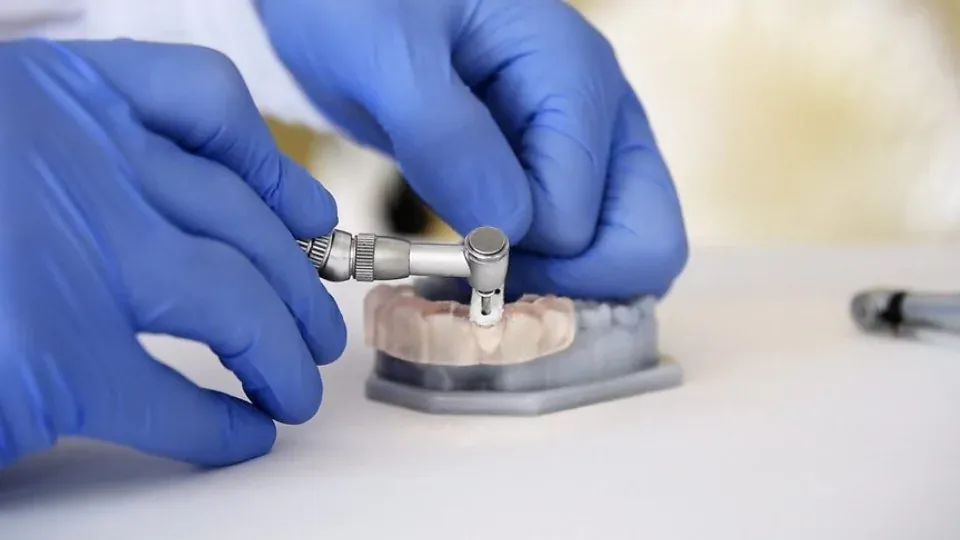
- A surgical guide is fabricated to direct the handpiece during surgery
This process ensures that implants are positioned in exactly the right spot, reducing trauma to surrounding tissues and eliminating guesswork.
Technological Precision and Planning
With the integration of cone-beam computed tomography (CBCT) and digital workflows, guided implant surgery delivers benefits such as:
- Custom fit and design for each patient
- Reduced surgical time
- Improved accuracy for aesthetics and function
- Enhanced patient trust and predictability in outcomes
Dentists and oral surgeons also benefit from preoperative simulations and risk management, ensuring a safer experience for patients and more efficient chairside time. From single-tooth replacement to full-arch restorations, guided surgery brings clarity to complex cases.
Pain and Recovery: Guided vs. Freehand Implants
Compared to freehand implant techniques, guided surgery leads to:
- Less postoperative discomfort
- Faster healing timelines
- Fewer complications
Do Guided Surgical Guides Reduce Post-Op Pain?
Yes. The precision of guided systems minimizes surgical trauma, which directly reduces postoperative pain. Studies and clinical feedback confirm that patients experience significantly less swelling, bleeding, and discomfort.
By avoiding unnecessary incisions and bone exposure, guided techniques provide a more gentle surgical experience. Pain management is more effective when surgery is predictable and minimally invasive.
Recovery Time Guided Implants: What Patients Experience
Recovery tends to be smoother and shorter with guided implants due to:
- Smaller incisions
- Minimal tissue manipulation
- Precise placement avoiding nerve and sinus structures
- Predictable surgical timelines
Patients often report returning to normal routines within a few days post-op. There is typically less need for post-operative medications and follow-up visits, which adds to the convenience.
Additionally, many patients experience:
- Reduced bruising and swelling
- Less sensitivity post-op
- Lower emotional stress compared to traditional surgeries
Minimally Invasive Implant Surgery Explained
Minimally invasive means:
- No flap or minimal flap techniques
- Smaller surgical field
- Shorter anesthesia time
This approach results in:
- Reduced anxiety
- Better cosmetic outcomes
- Enhanced healing environment
- Less bleeding and suture use
It also leads to:
- Greater preservation of gum tissue
- Less disruption of vascular structures
- A quicker return to oral functionality
| Factor | Freehand Implants | Guided Implants |
|---|---|---|
| Surgical Accuracy | Variable | Highly Predictable |
| Incision Size | Larger | Minimal or Flapless |
| Postoperative Pain | Moderate to High | Low |
| Healing Time | 2-3 weeks | 5-7 days |
| Risk of Complications | Higher | Lower |
| Patient Satisfaction | Moderate | High |
| Predictability of Outcome | Less Predictable | Highly Predictable |
| Use in Complex Cases | Riskier | More Controlled |
Real Patient Outcomes and Satisfaction
The true success of any dental procedure lies in the patient's comfort and long-term outcome.
Patient Testimonials & Satisfaction
Patients undergoing guided dental implants consistently report:
- High satisfaction with pain management
- Confidence in surgical precision
- Appreciation for faster healing times
- More natural-feeling final restorations
- Improved confidence in their smiles and function
"I was surprised by how little pain I felt. I expected a week of downtime, but I was back to work in two days!"
Many patients are surprised by the ease of their experience and express satisfaction in both the surgical phase and the prosthetic results. Dentists note increased patient compliance and trust when treatment is digitally guided.
Guided Healing Outcomes: What the Research Shows
- 95%+ implant success rate
- Reduced need for revision surgeries
- Greater long-term stability due to accurate implant positioning
- Enhanced osseointegration through strategic placement
Clinical research also indicates that guided surgeries often result in:
- Fewer bone graft requirements
- Better preservation of soft tissue
- Lower risk of peri-implantitis
- Greater aesthetic harmony with natural dentition
Referral Pathway: From Dentist to Implant Success
Guided implantology is a trusted solution for dentists referring patients for complex or cosmetic cases.
What Patients Should Ask Their Dentist
- "Do you offer guided implant options?"
- "What is the expected recovery time?"
- "How does this differ from traditional implants?"
- "Is the implant surgery minimally invasive?"
- "How long will the entire process take?"
Being proactive helps patients make informed decisions and feel more in control of their treatment journey.
Why Dentists Trust Guided Implantology for Referrals
Dentists prefer guided systems due to:
- Consistent results
- Better prosthetic outcomes
- Improved patient trust and satisfaction
- Increased efficiency in multi-unit or full-arch restorations
At the heart of this evolution is the surgical guide implant, which bridges diagnostics and execution into a seamless patient experience. It enables both restorative and surgical teams to collaborate more effectively for optimal treatment planning.
Final Thoughts: A Patient-Centered Future
Guided dental implantology puts the patient first, reducing anxiety and enhancing clinical outcomes.
The Value of Comfort, Precision, and Predictability
- Less pain equals less fear
- Digital planning ensures exactness
- Shorter healing times lead to higher satisfaction
- Long-term results contribute to peace of mind
- Technology-driven approaches increase accessibility and trust
In today's era, dental technology is no longer optional—it's expected. Guided surgery is at the forefront of this transformation, elevating care standards.
Taking the Next Step: Consultation & Expectations
If you're considering implants, ask your provider about guided options. It's time to experience:
- Greater comfort
- Predictable success
- Personalized care
- Clear communication and results you can trust
Have more questions? Reach out or Contact Us today to begin your journey. A more comfortable and confident dental experience is just a consultation away.