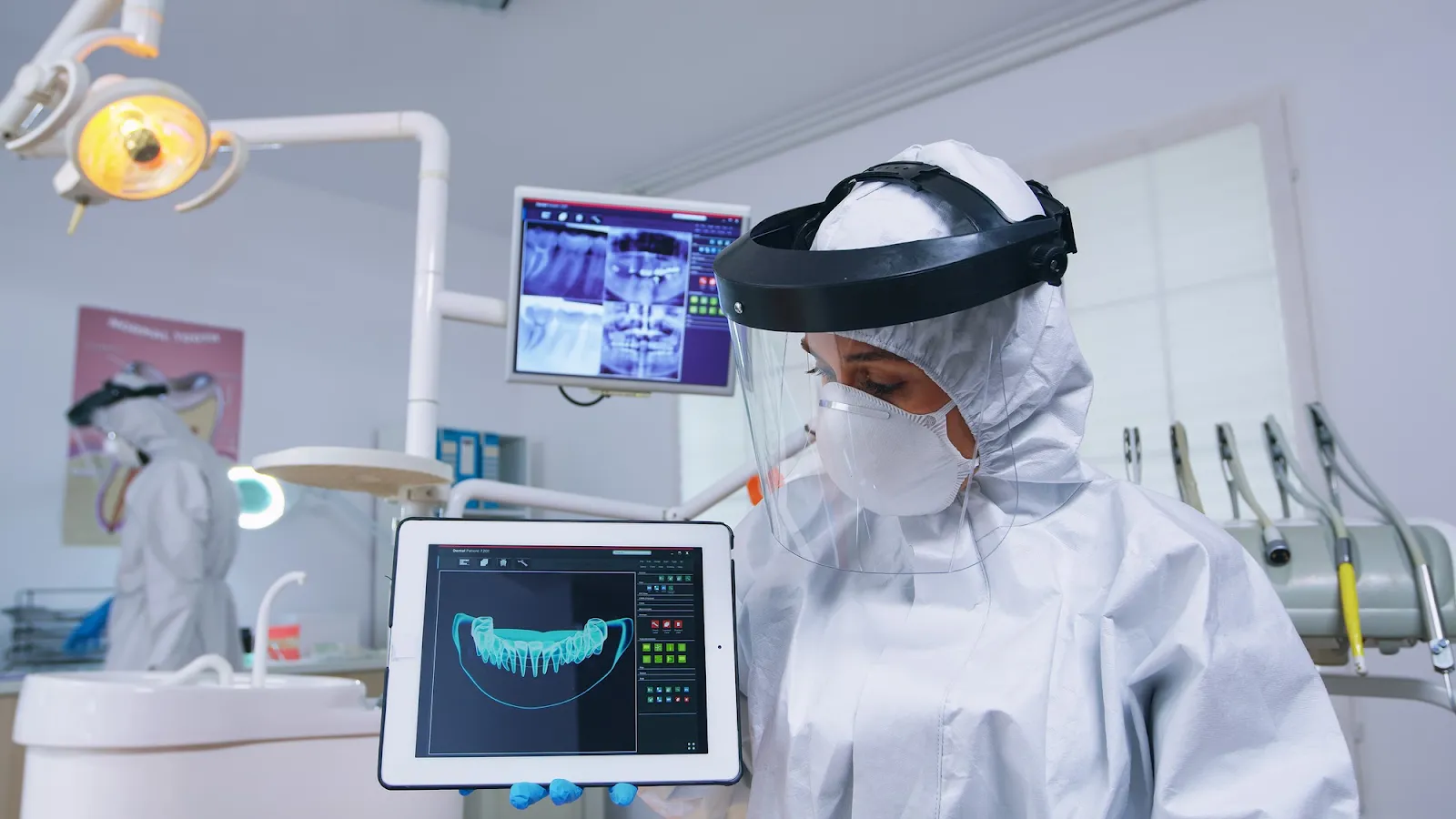

The digital implant planning workflow has revolutionized the field of implant dentistry, making procedures more accurate, efficient, and predictable. This technology-driven process integrates CBCT scanning, CAD CAM guide design, and precise surgical guide fabrication to ensure perfect implant placement. With these digital advancements, dentists can plan and execute each case with exceptional precision, improving outcomes and patient satisfaction.
Understanding the Digital Implant Planning Workflow
The digital implant planning workflow is a comprehensive, step-by-step process that combines advanced imaging, digital modeling, and 3D printing to deliver accuracy and consistency. It starts with a detailed CBCT scan, followed by virtual planning using CAD CAM technology, and ends with the creation of a custom surgical guide.
By integrating every stage digitally, clinicians can visualize the patient's anatomy in detail, plan the implant position virtually, and transfer that plan seamlessly to surgery. This approach eliminates guesswork, minimizes risks, and ensures predictable implant outcomes.
CBCT Dental Implant Planning: The Foundation of Precision
At the heart of the digital implant planning workflow lies CBCT dental implant planning. Cone Beam Computed Tomography (CBCT) captures detailed 3D images of the patient's jaw, bone structure, and surrounding tissues. This data provides an accurate view of bone density, nerve locations, and sinus cavities—critical for safe implant placement.
Using CBCT software, dentists can virtually plan the implant position, angle, and depth before the procedure even begins. This digital insight helps prevent surgical complications and ensures that every implant aligns perfectly with the patient's anatomy.
The CBCT step is the foundation of every successful digital plan, offering unparalleled visualization and control for implant specialists.
Digital Data Integration for Comprehensive Planning
Once the CBCT data is collected, it is integrated with digital impressions from an intraoral scanner. This step creates a complete 3D representation of the patient's mouth, combining hard and soft tissue data.
In this phase of the digital implant planning workflow, precision is essential. By aligning digital impressions with the CBCT scan, the dentist ensures that the virtual model reflects the patient's exact oral anatomy. This integration allows for realistic simulations and precise implant planning, ensuring the best surgical and aesthetic results.
CAD CAM Dental Guide Design: The Digital Blueprint
The next step in the digital implant planning workflow is CAD-CAM dental guide design, where digital technology meets clinical expertise. Using advanced CAD software, dentists or dental technicians plan the optimal implant position, angulation, and depth.
This design process simulates the surgery virtually, allowing the clinician to make adjustments and evaluate the final outcome before actual placement. Once finalized, the CAD file becomes the blueprint for the surgical guide.
The CAD CAM dental guide design stage ensures a perfect fit for the patient, reducing surgical time and enhancing precision during the procedure. This technology also allows clinicians to maintain full control while improving safety and consistency.
Virtual Treatment Planning and Case Review
Before fabricating the surgical guide, the entire treatment plan undergoes virtual validation. This phase of the digital implant planning workflow allows the clinician, lab technician, and implant manufacturer to review the design collaboratively. With Guided4 Excellence, this process is streamlined to ensure seamless communication and accuracy at every stage.
Virtual simulations provide a clear visual of the implant's final position and alignment, ensuring every detail matches the intended result. This digital preview helps identify any potential adjustments, eliminating errors before surgery.
This step enhances both clinical confidence and patient trust, as they can see the visual representation of their planned treatment.
Implant Surgical Guide Fabrication: Turning Digital Design into Reality
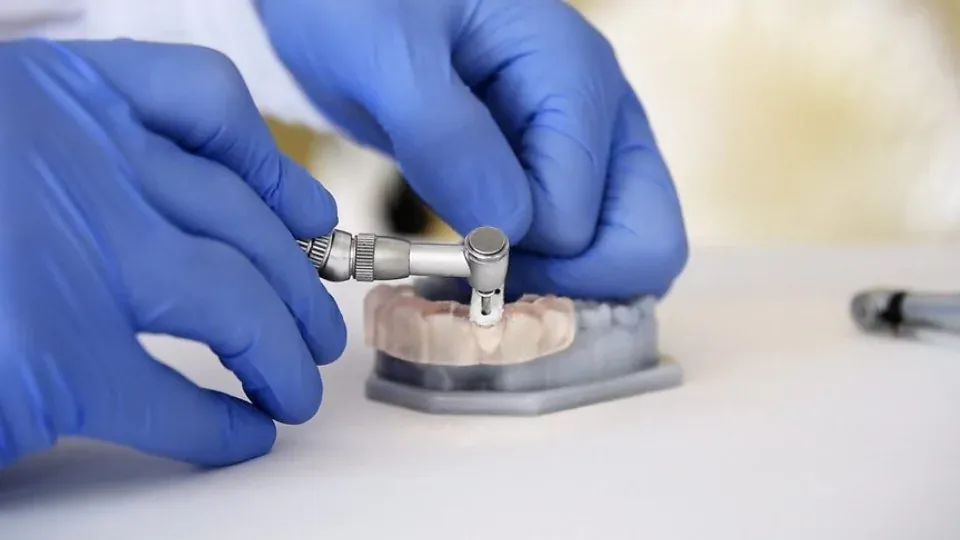
Once the design is finalized, the next phase of the digital implant planning workflow is implant surgical guide fabrication. This process involves 3D printing or milling the guide using high-quality, biocompatible materials.
These surgical guides are tailored to each patient's anatomy, ensuring they fit precisely and guide the implant drill accurately. The guide's precision minimizes human error, allowing for consistent, repeatable implant placement.
Modern 3D printing technologies allow for faster production and cost-efficient manufacturing, making accurate guides accessible to dental professionals everywhere.
Surgical Execution with Digital Precision
During the actual surgery, the fabricated guide becomes the physical link between the digital plan and the clinical procedure. The digital implant planning workflow ensures that each implant is placed exactly as designed in the virtual plan.
This guided placement technique reduces surgical time, improves accuracy, and minimizes trauma to surrounding tissues. Patients benefit from faster recovery, less discomfort, and more predictable aesthetic outcomes.
For clinicians, digital precision means higher confidence and fewer post-operative complications, making guided surgery the gold standard in modern implantology.
Advantages of the Digital Implant Planning Workflow
The digital implant planning workflow provides significant advantages over traditional implant placement methods:
- Unmatched accuracy – Precise implant positioning with reduced human error.
- Enhanced safety – Clear visualization of anatomical structures through CBCT imaging.
- Predictable outcomes – Virtual planning ensures consistent results across all cases.
- Efficiency – Streamlined processes save valuable clinical time.
- Improved patient experience – Less invasive procedures and faster healing.
These benefits highlight why digital workflows have become the preferred choice for modern implant dentistry.
The Role of AI and Automation in Digital Implant Planning Workflow
Artificial intelligence (AI) and automation are transforming the digital implant planning workflow further. AI-driven software can automatically identify optimal implant positions, assess bone density, and suggest the best angulation for stability.
Automation also improves the efficiency of CBCT dental implant planning and CAD-CAM dental guide design, allowing for faster and more accurate outcomes. As technology continues to advance, digital systems are becoming even more precise, affordable, and accessible to dental professionals worldwide.
Overcoming Common Challenges in Digital Implant Planning Workflow
While digital systems offer remarkable precision, success depends on proper training and workflow management. Common challenges include data merging errors, software compatibility issues, and guide calibration inconsistencies.
Clinics can overcome these issues by ensuring high-quality CBCT scans, using reliable CAD software, and partnering with experienced dental technicians. Continuous professional education ensures that practitioners maximize the benefits of digital technology and maintain consistent results.
Real-World Application of Digital Implant Planning Workflow
Many dental practices worldwide are now integrating the digital implant planning workflow into everyday procedures. Clinics report faster surgeries, fewer complications, and more satisfied patients.
By embracing digital technology, implant specialists can deliver premium-quality results while maintaining efficiency and affordability. The workflow also fosters collaboration between dentists, labs, and manufacturers, ensuring a seamless and precise process from planning to final placement.
Conclusion: The Future of Implant Dentistry Is Digital
The digital implant planning workflow has redefined implant dentistry, merging precision technology with clinical expertise. From CBCT dental implant planning to implant surgical guide fabrication and CAD-CAM dental guide design, every stage contributes to improved accuracy, safety, and patient satisfaction.
As digital innovation continues to evolve, it empowers dental professionals to deliver predictable, efficient, and high-quality implant solutions. Ready to elevate your implant practice with advanced digital planning solutions? Contact us today to explore how our digital implant systems can help you achieve flawless results with confidence.