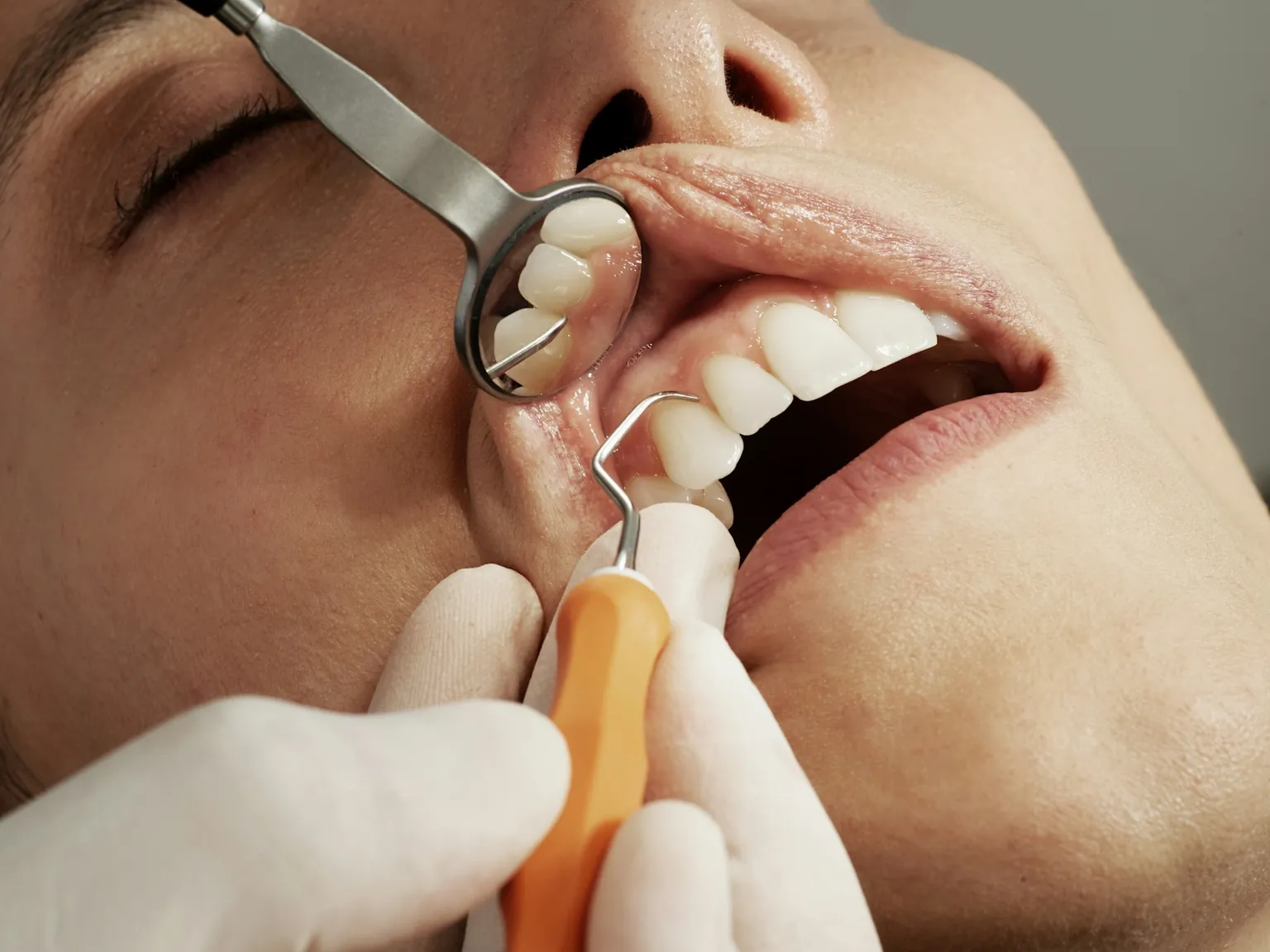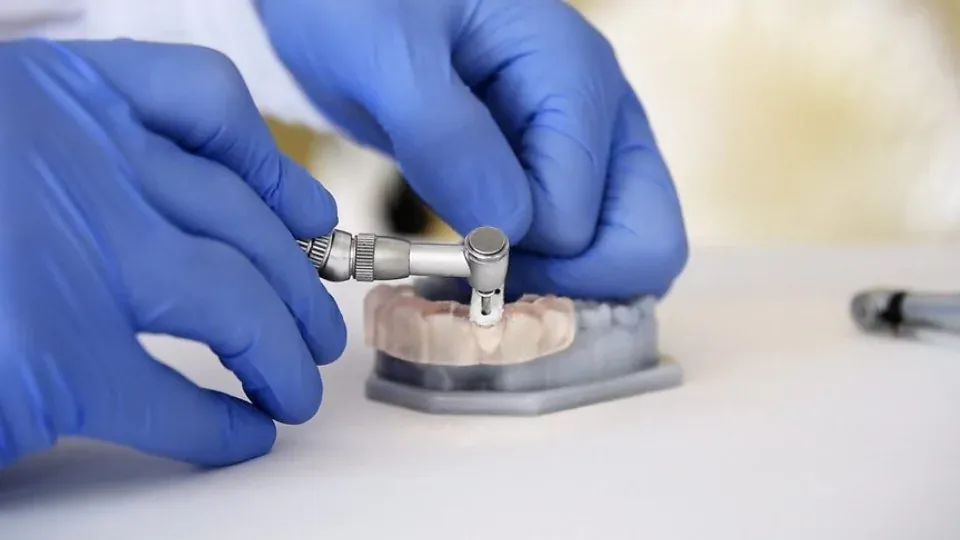

In the evolving world of digital dentistry, one advancement stands out for its transformative potential: AI-driven surgical guide planning. This emerging innovation is reshaping how clinicians approach implantology, enhancing precision, reliability, and efficiency. If you're exploring ways to modernize your dental practice, Guided Excellence offers key insights into AI adoption that can revolutionize your workflow.
Introduction to AI in Dental Surgery
Digital workflows have become the new norm, replacing analog tools with advanced imaging, 3D printing, and computer-aided design. AI brings even more capabilities by automating complex planning processes for dental implants.
Why AI Matters in Surgical Guide Planning
AI tools allow for:
- Data-driven decision-making
- Personalized treatment plans
- Predictive modeling for better outcomes
In short, AI isn't replacing clinicians; it's empowering them.
What Is AI Planning for Surgical Guides?
AI planning for surgical guides involves using artificial intelligence to design precise, patient-specific surgical plans. By analyzing medical imaging and clinical data, AI can generate customized guides that help surgeons perform accurate cuts or placements. This technology improves surgical precision, reduces operative time, and enhances patient outcomes. It is increasingly used in fields like orthopedics, dentistry, and neurosurgery.
Definition and Core Concepts
AI surgical guide planning refers to using machine learning algorithms to automate and optimize the design and creation of surgical guides used in implantology. These guides help ensure exact placement, angulation, and depth during procedures.
Role of Machine Learning and Predictive Modeling
Machine learning analyzes hundreds of successful implants to predict optimal outcomes, offering unparalleled precision tailored to each patient.
Key Technologies Behind AI-Powered Guide Design
AI-powered guide design relies on key technologies like machine learning algorithms, natural language processing (NLP), and computer vision. These tools help analyze user behavior, generate personalized content, and automate visual layouts. Deep learning models further enhance adaptability, making guides more interactive and responsive.
Image Processing and Anatomical Mapping
High-resolution CBCT scans and intraoral images are analyzed by AI to map nerve pathways, bone density, and anatomical landmarks.
Algorithmic Treatment Planning
AI algorithms consider:
- Patient anatomy
- Implant brand compatibility
- Occlusion and aesthetics
Automated Guide Fabrication
Once the plan is approved, a printable surgical guide is created, minimizing human error and boosting production speed.
Benefits of AI in Implant Planning
AI in dental implant guide planning enhances precision by analyzing 3D scans to identify optimal implant positions. It reduces human error, shortens planning time, and improves surgical outcomes. AI also assists in predicting potential complications, leading to safer, more predictable procedures.
Enhanced Precision and Accuracy
AI systems can calculate optimal implant positioning within a 0.5 mm tolerance, far exceeding human capability.
Time and Cost Efficiency
Clinicians can save hours per case:
- Faster diagnostics
- Automated workflows
- Less chair time
Predictive Implant Outcomes and Risk Reduction
AI reduces the risk of:
- Nerve damage
- Implant failure
- Misaligned prosthetics
AI vs Traditional Planning in Implantology
| Feature | Traditional Planning | AI-Driven Planning |
|---|---|---|
| Accuracy | Operator-dependent | Machine-optimized |
| Time Efficiency | Manual and slower | Automated and faster |
| Risk Assessment | Generalized | Patient-specific |
| Guide Fabrication | Manual CAD | Automated CAD with AI |
| Data Utilization | Limited | Big data-based decisions |
Limitations and Ethical Considerations
Limitations include constraints in data quality, computational resources, and potential biases in AI outputs. Ethical considerations involve ensuring fairness, transparency, and privacy in AI systems. Developers must avoid harmful biases and misuse of technology. Responsible AI deployment also requires addressing issues like accountability and societal impact.
Dependence on Quality Data
AI is only as good as the data it receives. Poor image quality can impact outcomes.
Risk of Algorithmic Bias
If training data lacks diversity, the AI may favor one type of anatomical structure or demographic.
Regulatory and Legal Landscape
Always ensure software complies with FDA or CE standards. Documentation is key in case of complications.
Clinical Case Studies and Evidence
Clinical case studies provide detailed insights into individual patient experiences, offering valuable perspectives on diagnosis, treatment, and outcomes. They highlight unique or rare conditions and often guide clinical decision-making in complex cases. Evidence from these studies can complement larger clinical trials, especially in areas with limited research. Together, case studies and evidence support more personalized and informed patient care.
Real-World Success Stories
Practices integrating AI report:
- 20% reduction in procedural errors
- 30% faster treatment planning
Feedback from Dental Professionals
According to recent surveys:
- 87% of clinicians trust AI-assisted outcomes
- 92% see value in predictive planning tools
Implementing AI in Your Dental Practice
Implementing AI in your dental practice can streamline diagnostics, enhance patient care, and improve operational efficiency. AI tools assist in early detection of dental issues through advanced imaging analysis, reducing diagnostic errors. Automation of administrative tasks like appointment scheduling and billing can save time and cut costs. Additionally, AI can help optimize dental surgical guide pricing, ensuring cost-effective solutions without compromising quality. Embracing AI ultimately leads to more personalized treatments and a smoother patient experience.
Choosing the Right Software and Partners
Look for features such as:
- Cloud-based storage
- Regulatory approval
- Integrated 3D imaging
Training Your Team
Introduce AI gradually:
- Begin with one type of implant case
- Offer team workshops or vendor webinars
Best Practices for Integration and Workflow
- Keep patient data secure
- Review AI outputs manually
- Update software regularly
Final Thoughts: The Future of AI in Dentistry
AI in implant planning is not a trend — it's the future. As the technology matures, clinicians will see greater precision, fewer complications, and faster turnarounds.
By adopting AI, you're not just upgrading technology; you're upgrading patient care. Explore how we can help you bring this transformation to your practice. Contact us today to learn how we can assist in integrating AI into your dental practice for enhanced patient outcomes.