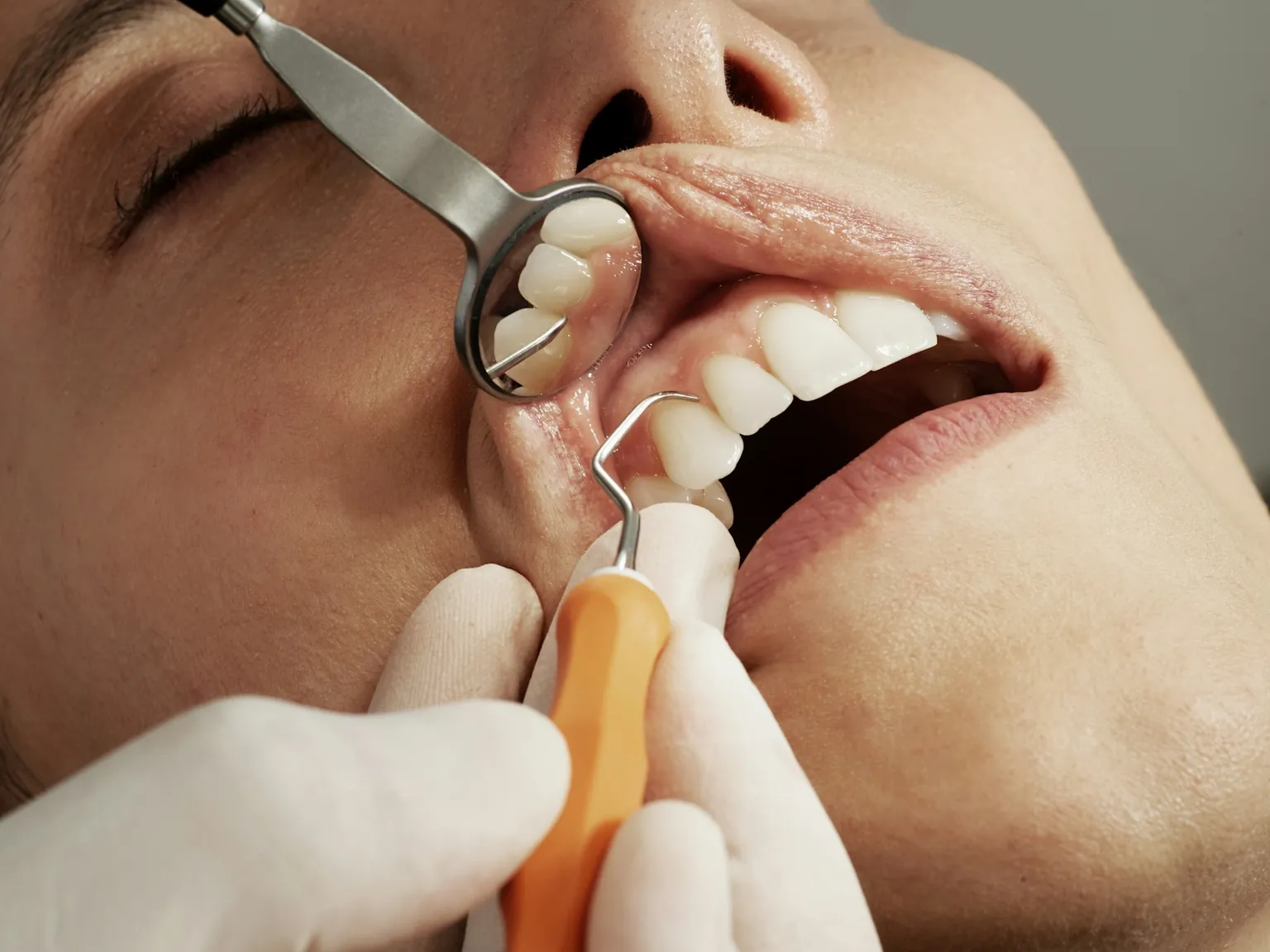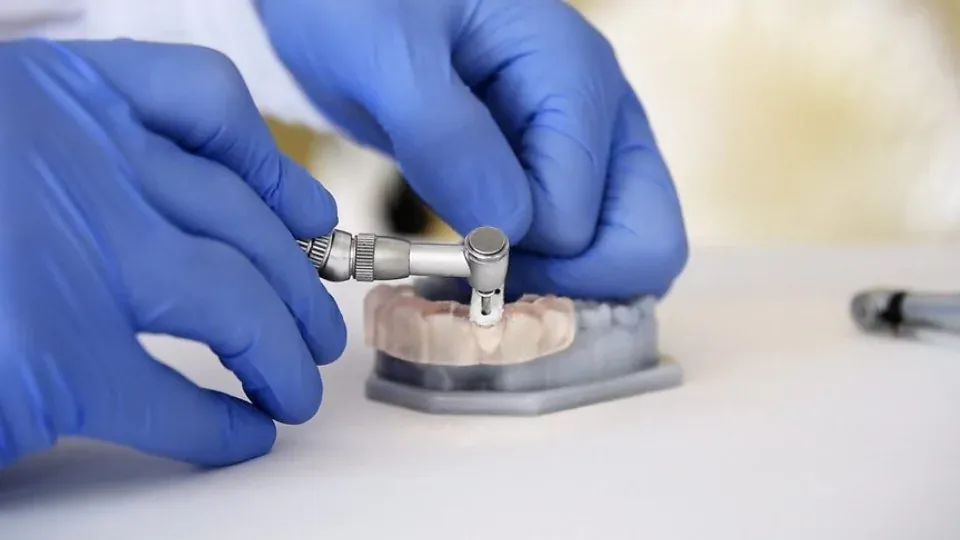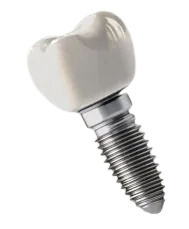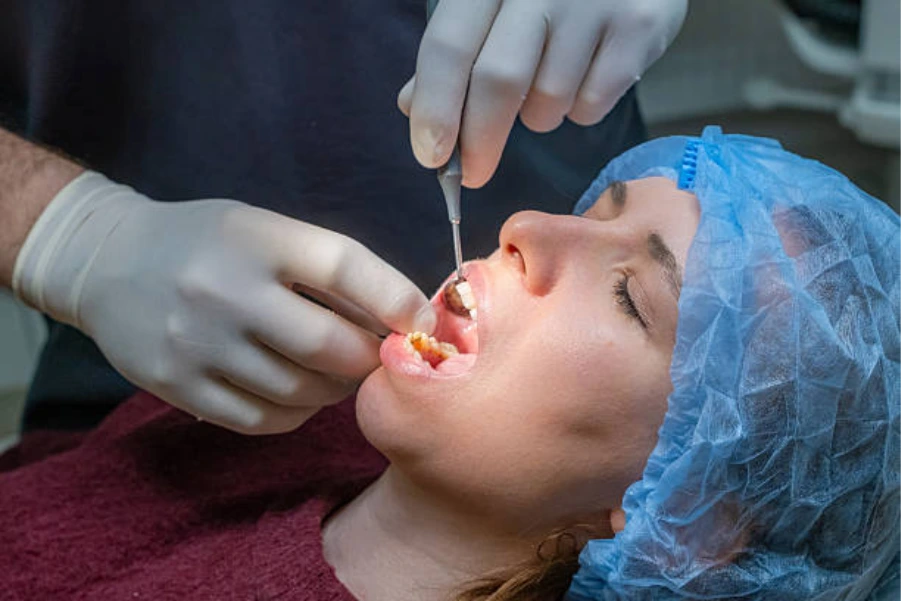

A dental surgical guide plays an important role in improving the predictability of implant procedures. Modern implant dentistry relies on advanced planning and digital workflow to ensure consistent clinical outcomes. With improvements in surgical guide design, clinicians can enhance placement accuracy while maintaining functional and aesthetic balance.
Guided Excellence supports dental professionals by providing customized digital planning and guide solutions designed to improve workflow clarity and implant positioning.
A carefully developed dental implant guide allows clinicians to follow a planned surgical path that aligns with prosthetic goals and patient anatomy.
As implant procedures continue to evolve, guided implant precision has become a standard element of treatment planning rather than an optional enhancement.
Understanding Custom Dental Surgical Guides
What Is a Custom Dental Surgical Guide
A custom dental surgical guide is a digitally designed template created to assist dentists during implant placement. The guide is developed using digital imaging and treatment planning software.
It helps direct surgical instruments to predetermined positions based on patient anatomy and restorative requirements.
Unlike generic templates, a personalized guide reflects each patient's unique anatomical structure. This customization supports consistent implant positioning and helps clinicians maintain treatment accuracy.
Clinicians often use solutions available through Guided Excellence to create guides that align with digital workflows. Their services allow dental professionals to coordinate imaging data, restorative planning, and surgical execution in one process.
The Role of Surgical Guide Design in Implant Planning
Digital Planning and Case Visualization
Surgical guide design begins with digital imaging such as CBCT scans and intraoral scanning. These imaging techniques help clinicians evaluate bone density, anatomical structures, and restorative goals.
By combining imaging with digital modeling, professionals can visualize implant placement before surgery begins.
Accurate visualization allows clinicians to adjust implant angles, depths, and positions. This process reduces uncertainty and supports clinical decision making.
Integration with Restorative Planning
A successful implant must support both surgical stability and prosthetic function. Surgical guide design allows dentists to plan implant placement based on the final prosthetic restoration. This alignment supports long term functionality and patient comfort.
By connecting surgical planning with restorative outcomes, clinicians improve the chances of achieving predictable results. Guided workflows help bridge the gap between diagnosis and execution.
How Dental Implant Guides Improve Accuracy
Consistent Implant Positioning
A dental implant guide helps clinicians place implants according to digital treatment plans. It acts as a physical reference during surgery, reducing variations caused by manual positioning.
Guided implant precision helps ensure that implants follow predetermined paths. As a result, clinicians can maintain alignment with bone structure and restorative requirements.
Reduced Surgical Variability
Manual implant placement may introduce variations due to limited visualization or anatomical complexity. A customized guide helps control drilling angles and placement depth. This level of control supports consistency across procedures.
Guided surgery also helps clinicians manage complex cases more effectively by providing clear reference points during treatment.
Improving Implant Fit Through Guided Implant Precision
Alignment with Prosthetic Components
Proper implant placement directly affects prosthetic fit. Guided implant precision allows clinicians to align implants with crowns, bridges, or dentures more accurately. This alignment helps reduce adjustment requirements during restorative procedures.
Accurate placement improves occlusion and helps maintain long term prosthetic stability.
Support for Long Term Functionality
When implants align correctly with prosthetic components, patients often experience improved comfort and function. Proper placement also supports better load distribution across supporting bone structures.
Digital surgical guide design helps clinicians plan implant depth and angulation to support stable prosthetic outcomes.
Enhancing Aesthetic Outcomes with Custom Surgical Guides
Preserving Soft Tissue Structure
A custom dental surgical guide supports accurate placement in relation to surrounding soft tissues. This approach helps clinicians maintain natural gum contours around restorations. Preserving tissue structure contributes to balanced aesthetic outcomes.
Supporting Natural Restoration Appearance
Implant placement directly influences how restorations appear in the patient's smile. Guided surgical planning helps clinicians align implants with natural tooth positioning and symmetry. This alignment contributes to improved visual harmony between natural and restored teeth.
Workflow Advantages of Custom Surgical Guide Design
Streamlined Communication Between Teams
Digital planning allows clinicians, laboratories, and surgical teams to collaborate more effectively. Treatment data can be shared and reviewed throughout the planning process. This communication helps minimize misunderstandings and supports treatment accuracy.
Guided Excellence provides design support that helps dental professionals coordinate digital planning and surgical execution through streamlined workflows.
Improved Treatment Planning Efficiency
Custom surgical guide development allows clinicians to identify potential challenges before surgery begins. Digital planning reduces guesswork and supports more predictable surgical outcomes.
By preparing detailed surgical plans, clinicians can improve procedure organization and patient communication.
Benefits of Guided Implant Precision for Patient Experience
Reduced Surgical Complexity
Guided implant precision helps simplify surgical procedures by providing structured placement guidance. Patients may benefit from predictable treatment planning and efficient surgical workflows.
Improved Confidence in Treatment Planning
Patients often feel more confident when clinicians use digital planning technologies. Detailed planning supports transparent communication about procedure expectations and potential outcomes.
Comparison of Traditional vs Guided Implant Placement
| Feature | Traditional Implant Placement | Guided Implant Precision |
|---|---|---|
| Planning Approach | Manual estimation | Digital planning and modeling |
| Placement Accuracy | Depends on surgical experience | Based on pre-planned positioning |
| Workflow Coordination | Limited integration | Digital collaboration between teams |
| Prosthetic Alignment | May require adjustments | Planned around final restoration |
| Surgical Predictability | Variable | Improved consistency |
| Patient Communication | General explanation | Visual treatment planning |
The Technology Behind Modern Surgical Guide Design
Digital Imaging Integration
CBCT imaging and intraoral scanning allow clinicians to capture detailed anatomical data. These technologies provide the foundation for accurate guide design.
3D Modeling and Guide Fabrication
Advanced design software helps transform imaging data into customized surgical guides. These guides are manufactured using precise fabrication techniques to ensure accurate fit during procedures.
By combining digital imaging and manufacturing, clinicians can improve treatment consistency and workflow efficiency.
When Dentists Should Consider Custom Dental Surgical Guides
Clinicians may consider custom surgical guides in situations involving:
- Complex anatomical structures
- Multi implant restorations
- Cases requiring prosthetic driven implant placement
- Situations requiring enhanced placement predictability
Customized planning helps clinicians evaluate case complexity and select suitable treatment approaches.
The Growing Importance of Guided Implant Precision
Digital dentistry continues to evolve as technology improves treatment planning capabilities. Surgical guide design allows clinicians to transition from traditional planning methods to data driven decision making. This transition supports improved surgical accuracy and treatment predictability.
As implant procedures become more advanced, guided workflows allow clinicians to maintain consistency across cases. Dental professionals increasingly rely on digital solutions to support both surgical and restorative outcomes.
Conclusion
Custom dental surgical guide technology supports clinicians in improving implant accuracy, fit, and aesthetic outcomes. Surgical guide design integrates digital imaging, restorative planning, and guided implant precision into one structured workflow. These solutions help dental professionals manage case complexity while maintaining consistent treatment planning.
Guided Excellence supports clinicians by providing digital surgical design solutions that align with modern implant workflows. For additional assistance or planning support, contact us today.