
The surgical guide for dental implants is revolutionizing modern dentistry by bringing unmatched precision, safety, and predictability to implant placement procedures. Unlike traditional freehand methods, a dental surgical guide ensures that implants are positioned with exact accuracy based on digital scans and treatment plans.
Every dentist aiming for long-term implant success and higher patient satisfaction should understand how guided implant surgery works and why using a dental implant guide is now considered the gold standard in implantology.
Understanding the Surgical Guide for Dental Implants
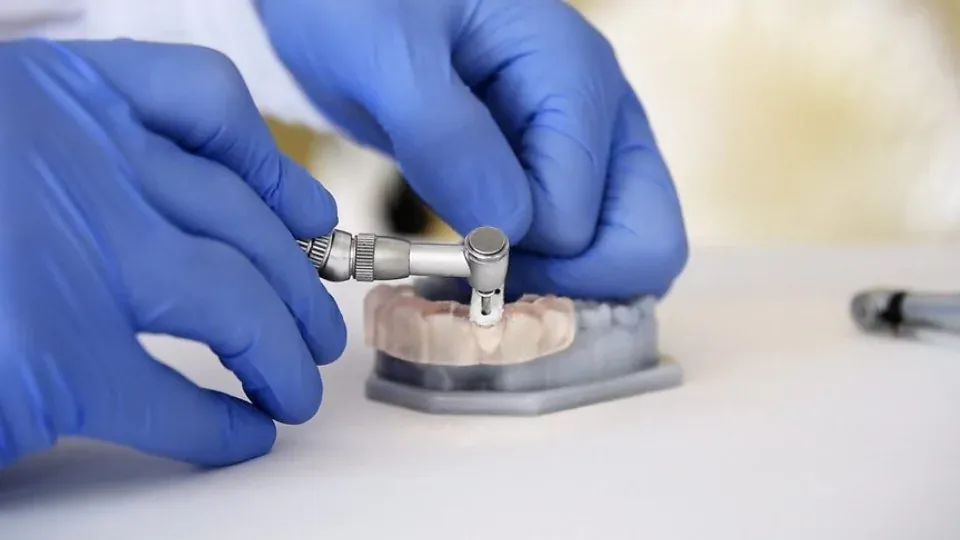
A surgical guide for dental implants is a custom-made tool designed to direct drilling and implant placement during surgery. It's created using advanced digital imaging and 3D printing technologies.
The guide ensures that each implant is inserted at the correct angle, depth, and position according to the pre-surgical plan. As a result, it minimizes human error and enhances precision.
A dental surgical guide can be made from transparent resin or biocompatible plastic, allowing the dentist to visualize the surgical site while maintaining control.
Over the years, digital dentistry has transformed how these guides are produced — moving from manual templates to CAD/CAM-designed implant surgical guides that perfectly fit the patient's anatomy.
The Purpose of a Surgical Guide for Dental Implants
The primary purpose of a surgical guide for dental implants is accuracy. By following the digitally planned coordinates, dentists can ensure that the implant is placed exactly where it should be, avoiding complications like nerve injury or sinus perforation.
At Guided4 Excellence, our dental implant guide systems are designed to help clinicians achieve precise, consistent results every time. These guides allow for better bone utilization and optimal implant alignment, which directly influence long-term prosthetic success and patient satisfaction.
From a patient's perspective, guided implant surgery means a smoother experience, less postoperative pain, and faster healing times. For clinicians, it ensures greater confidence and efficiency during every procedure.
Types of Surgical Guides for Dental Implants
There are several types of surgical guides for dental implants, each designed for different levels of assistance:
- Pilot Drill Guides: Help mark the initial entry point for the implant.
- Fully Guided Surgical Guides: Control every drilling step and the final implant insertion.
- CAD/CAM-Based Dental Surgical Guides: Digitally designed and 3D printed for precision fit.
- Static vs Dynamic Guides: Static guides are fixed templates, while dynamic systems use computer navigation to guide the procedure in real-time.
Dentists choose the right dental implant guide based on case complexity and clinical needs.
How a Surgical Guide for Dental Implants Is Designed and Fabricated
Creating a surgical guide for dental implants starts with capturing the patient's oral anatomy. This is done through CBCT (Cone Beam Computed Tomography) scans and digital impressions.
Next, using specialized planning software, the dentist or lab technician virtually places the implant in the ideal position. The software calculates the exact angulation, depth, and location of the implant.
Once the plan is finalized, the dental surgical guide is produced using high-precision 3D printing.
The final guide is tested for fit on a model or in the patient's mouth before the actual guided implant surgery begins.
Step-by-Step Process of Guided Implant Surgery Using a Surgical Guide for Dental Implants
Performing guided implant surgery with a surgical guide involves a streamlined workflow:
- Patient Evaluation: A thorough examination and CBCT scan.
- Digital Planning: Virtual implant placement using software.
- Guide Fabrication: 3D printing the custom dental surgical guide.
- Surgical Procedure: The guide is fixed in the mouth to direct drills precisely.
- Implant Placement: The implant is inserted through guide sleeves with minimal tissue trauma.
This process ensures predictability, shorter surgery times, and enhanced prosthetic outcomes.
Key Benefits of Using a Surgical Guide for Dental Implants
Using a surgical guide for dental implants provides multiple benefits for both dentists and patients:
- Unmatched Accuracy: Reduces deviations during drilling.
- Minimized Surgical Trauma: Smaller incisions lead to faster healing.
- Predictable Results: Implant angles and positions match the digital plan.
- Reduced Surgery Time: Efficient workflow saves valuable chair time.
- Enhanced Patient Confidence: The precision of guided implant surgery builds trust.
For complex cases like full-arch restorations, the dental implant guide can make the difference between success and revision surgery.
Common Challenges with a Surgical Guide for Dental Implants
Despite its advantages, the surgical guide for dental implants has certain limitations:
- Fit Issues: If scanning or printing errors occur, the guide may not align perfectly.
- Learning Curve: Dentists need to become familiar with planning software.
- Initial Cost: Advanced dental surgical guides and scanning equipment require investment.
However, with training and experience, these challenges are easily overcome. Many clinics report that the long-term benefits far outweigh the initial setup costs.
The Role of Technology in Modern Surgical Guide for Dental Implants
Technology plays a critical role in improving the design and execution of a surgical guide for dental implants.
With AI-driven planning tools, 3D imaging, and intraoral scanning, dentists can visualize bone density, nerve positioning, and prosthetic space in real time.
CAD/CAM technology allows seamless integration between scanning, planning, and fabrication, ensuring that every dental surgical guide is accurate and patient-specific.
As digital dentistry evolves, guided implant surgery will continue to become more efficient, reliable, and accessible.
Why Every Dentist Should Use a Surgical Guide for Dental Implants
Every dentist performing implant surgery can benefit from adopting a surgical guide for dental implants.
It standardizes the procedure, reduces variability, and enhances clinical confidence. By using a dental implant guide, practitioners can achieve consistent results even in complex cases.
Moreover, as patient expectations rise, guided implant surgery demonstrates a clinic's commitment to precision, technology, and patient-centered care. It's an investment in quality and reputation.
Conclusion: The Future of Implant Dentistry with Surgical Guide for Dental Implants
The surgical guide for dental implants represents the future of implantology — where digital precision meets clinical artistry. By embracing guided implant surgery, dentists can ensure better outcomes, reduced complications, and happier patients.
Whether you're an experienced implantologist or just starting out, adopting a dental surgical guide will elevate your practice to the next level. Contact us today to discover how our custom surgical guide for dental implant solutions can revolutionize your workflow, improve precision, and deliver exceptional patient outcomes.
Ready to integrate precision dentistry into your clinic? Contact us today to learn how an advanced surgical guide for dental implant solutions can enhance your workflow and patient results.