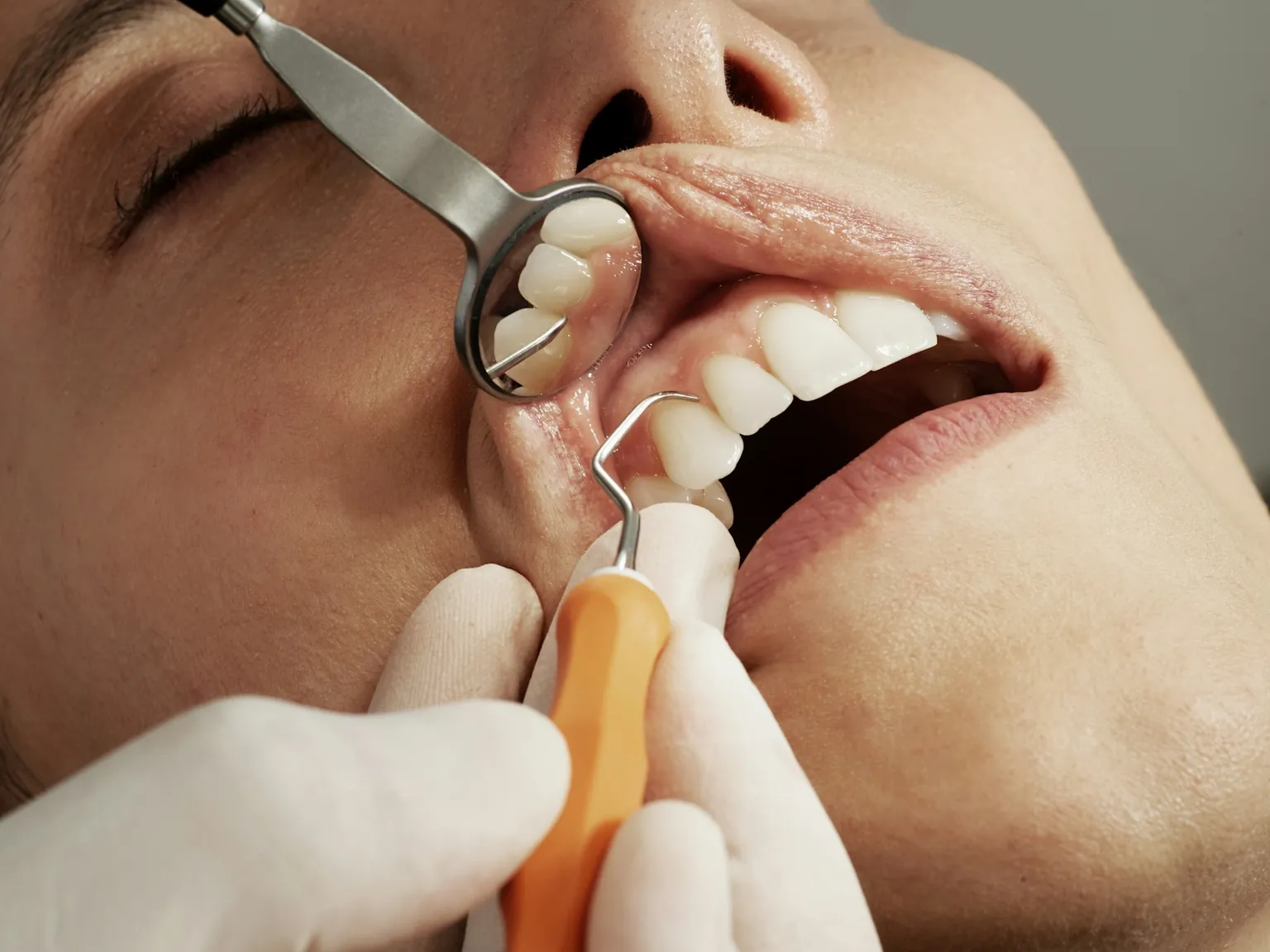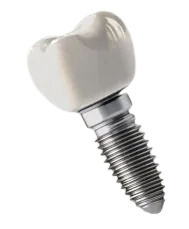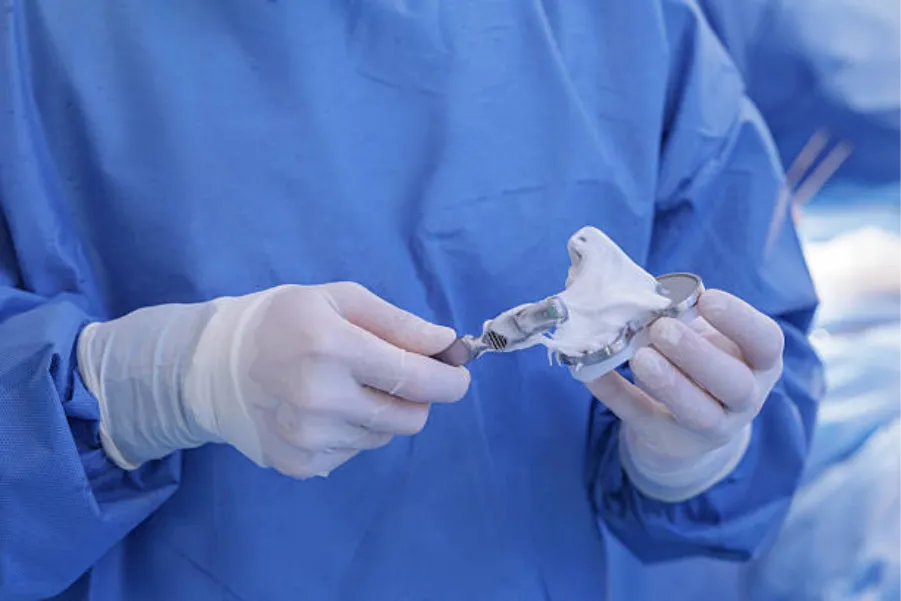

The 3D surgery implant guide has become an essential component of modern implant dentistry. As digital technologies continue to improve clinical workflows, implant specialists increasingly rely on guided solutions to enhance accuracy, efficiency, and predictability.
With the integration of 3D printing dental guides and CAD CAM dental design, clinicians can plan and execute implant procedures with a higher level of control compared to traditional techniques.
Dental implant placement requires careful evaluation of bone structure, nerve positioning, and prosthetic alignment. A guided surgical approach allows specialists to digitally plan procedures before performing them.
Companies such as Guided Excellence focus on supporting implant professionals by providing digital workflow solutions and guided surgical planning services.
How 3D Surgical Guide Technology Works
Guided implant surgery uses digital imaging, planning software, and physical surgical templates to assist implant placement. The workflow begins with imaging data collection, followed by digital planning and guide fabrication.
CAD CAM Dental Design in Implant Planning
CAD CAM dental design plays a critical role in the development of surgical templates. Specialists use digital imaging such as CBCT scans combined with intraoral scans to create accurate virtual models. These models help clinicians visualize anatomical structures and determine implant positioning.
Through digital planning software, specialists can simulate implant placement based on prosthetic outcomes. This prosthetically driven approach helps ensure that implants support final restorations effectively. CAD CAM technology also allows specialists to review multiple treatment scenarios before selecting the most suitable plan.
Role of 3D Printing Dental Guides
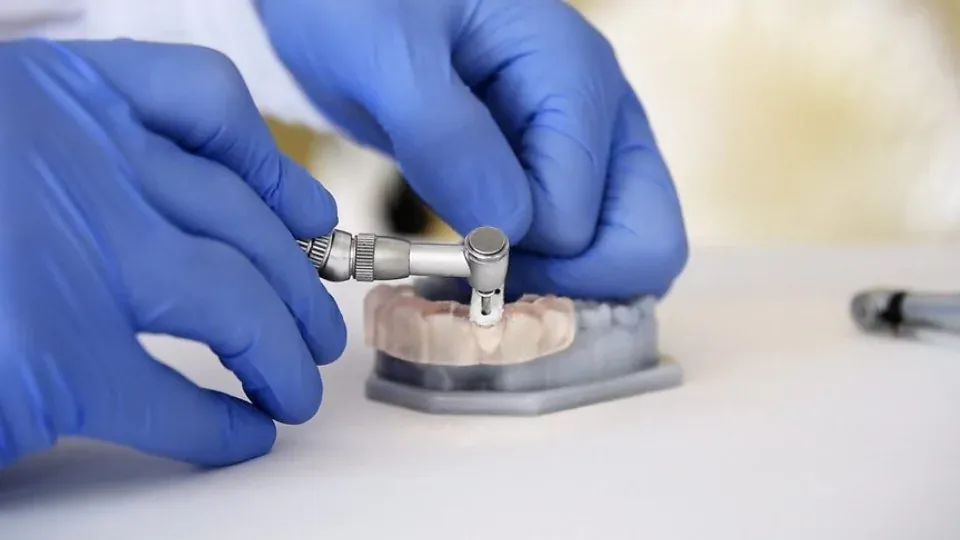
Once the digital plan is finalized, 3D printing dental guides convert virtual designs into physical surgical templates. These templates help guide drilling angles, depth, and positioning during surgery.
The accuracy of 3D printing dental guides supports consistent surgical results. Additionally, digital fabrication allows reproducibility, which supports standardization across clinical workflows.
Many implant specialists are adopting 3D printed guides because they integrate smoothly with digital treatment planning systems.
Key Benefits of Using 3D Surgery Implant Guides
Precision and Predictability
A 3D surgery implant guide supports highly accurate implant placement. By using digitally generated templates, specialists can reduce variations during surgical procedures. Predictable placement helps align implants with prosthetic designs, which supports restoration outcomes.
Additionally, surgical guide innovations allow specialists to maintain planned implant positioning, even in complex cases involving limited bone volume or proximity to anatomical structures.
Improved Treatment Planning
Digital planning improves the ability to evaluate clinical scenarios before surgery. Specialists can assess bone density, angulation, and spatial relationships between implants. This level of preparation helps clinicians identify potential complications early.
Moreover, guided workflows support collaboration between clinicians, dental laboratories, and digital design teams. CAD CAM dental design allows treatment plans to be reviewed and adjusted before fabrication begins.
Enhanced Patient Communication
Digital visualization tools improve patient education and communication. Specialists can demonstrate treatment plans using digital models, which helps patients understand procedures and expected outcomes.
Improved patient understanding often supports informed decision making. When patients visualize their treatment plans, they tend to feel more confident about the process.
Comparison Between Traditional and Guided Implant Surgery
| Feature | Traditional Implant Surgery | Guided Implant Surgery |
|---|---|---|
| Planning Approach | Manual planning using 2D imaging | Digital planning using 3D imaging |
| Surgical Accuracy | Depends on clinician experience | Enhanced accuracy through digital templates |
| Treatment Predictability | Variable results | Consistent and repeatable outcomes |
| Integration with Prosthetics | Limited prosthetic planning | Prosthetically driven placement |
| Workflow Efficiency | Multiple manual steps | Streamlined digital workflow |
| Patient Communication | Limited visualization tools | Digital simulation improves understanding |
Surgical Guide Innovations Transforming Implant Dentistry
Surgical guide innovations continue to expand digital dentistry capabilities. New materials, improved software algorithms, and advanced printing technologies contribute to better performance and durability of surgical guides.
Recent advancements include improved stabilization techniques that enhance guide retention during procedures. Furthermore, software improvements allow more detailed implant positioning simulations. These innovations help specialists perform guided implant surgeries with increased confidence.
Authoritative research from organizations such as the American Academy of Implant Dentistry highlights the growing role of digital workflows in implant planning and surgical accuracy. Specialists who adopt guided technologies often experience improved treatment consistency.
How Guided Excellence Supports Digital Implant Workflows
Guided Excellence provides services focused on supporting clinicians with digital implant planning and surgical guide development. Their solutions assist implant specialists by helping integrate imaging data, CAD CAM dental design, and guide fabrication into clinical workflows.
Their digital support services aim to streamline implant planning processes while maintaining workflow compatibility with clinical and laboratory systems. By assisting clinicians with digital surgical guide production, Guided Excellence helps specialists focus on clinical outcomes and treatment planning.
The company emphasizes workflow integration, digital collaboration, and guided planning support rather than replacing clinical expertise. Their solutions are designed to complement the clinician's decision making and procedural experience.
Challenges Specialists Should Consider Before Implementation
Although guided implant surgery offers several advantages, specialists should understand implementation requirements. Digital workflows require access to imaging technology, planning software, and guide fabrication services.
Training and workflow adaptation are also important. Clinicians must become familiar with digital planning tools and understand the limitations of guided templates. Additionally, case selection remains critical, as certain complex clinical conditions may require hybrid approaches combining guided and freehand techniques.
Cost considerations and technology integration may also influence adoption decisions. Specialists should evaluate workflow compatibility before implementing guided surgical solutions.
Outlook of 3D Guided Implant Technology
The role of 3D surgery implant guide technology is expected to expand as digital dentistry evolves. Integration with artificial intelligence and advanced imaging analysis may further improve planning accuracy.
Additionally, improvements in 3D printing dental guides may support faster fabrication and material optimization. As CAD CAM dental design systems continue to evolve, specialists will likely gain access to enhanced visualization and simulation tools.
The continued development of surgical guide innovations indicates that guided implant workflows will remain a central component of modern implant dentistry. Specialists who adopt these technologies may improve treatment planning efficiency and procedural consistency.
Conclusion
The adoption of a 3D surgery implant guide is shaping the future of implant dentistry by supporting precise planning, improved workflow efficiency, and enhanced patient communication. The integration of 3D printing dental guides, CAD CAM dental design, and surgical guide innovations continues to support predictable implant procedures.
As digital dentistry continues to evolve, implant specialists may benefit from incorporating guided surgical solutions into their clinical workflows. For professionals interested in exploring digital implant planning support, contact us today.