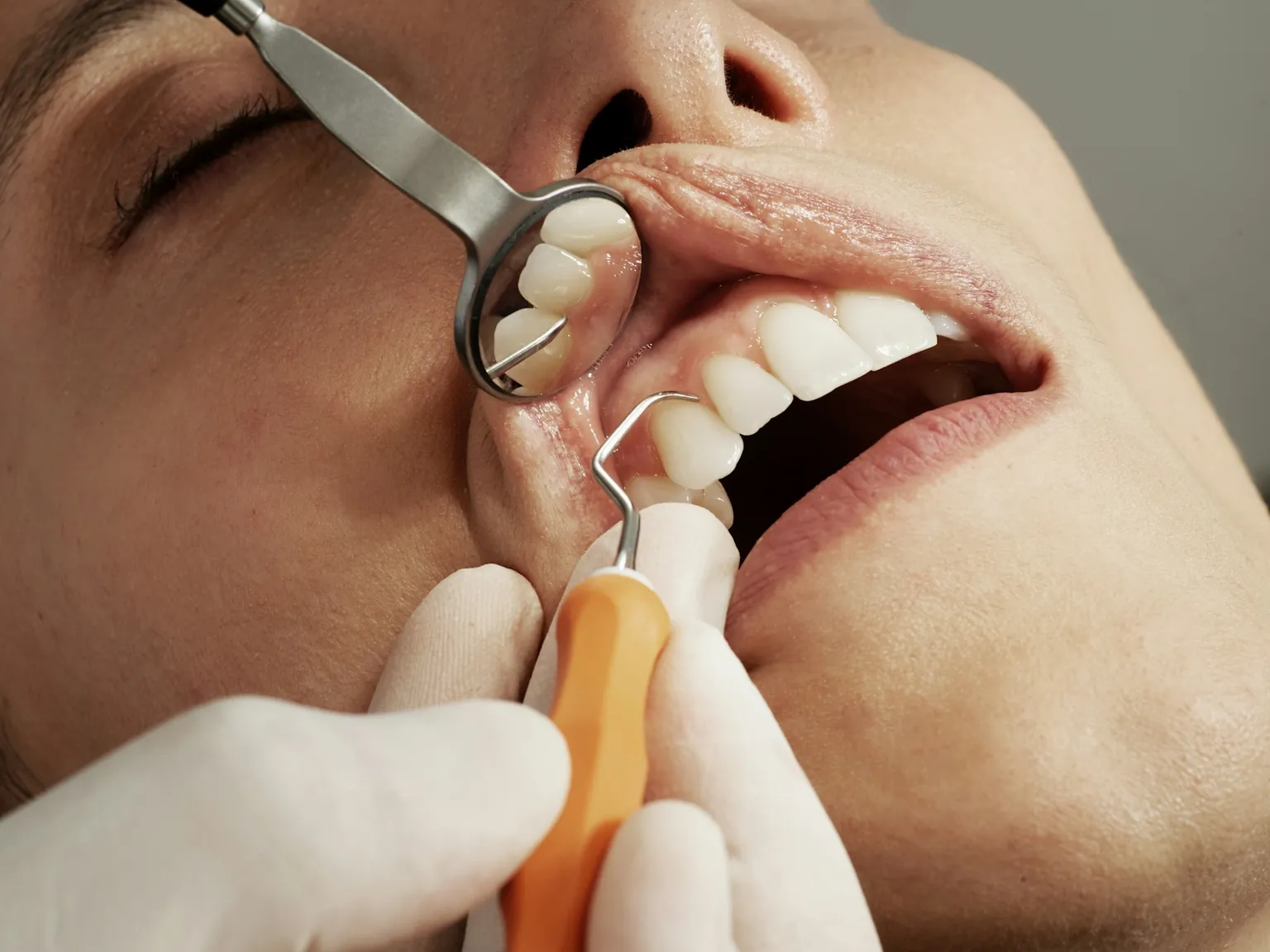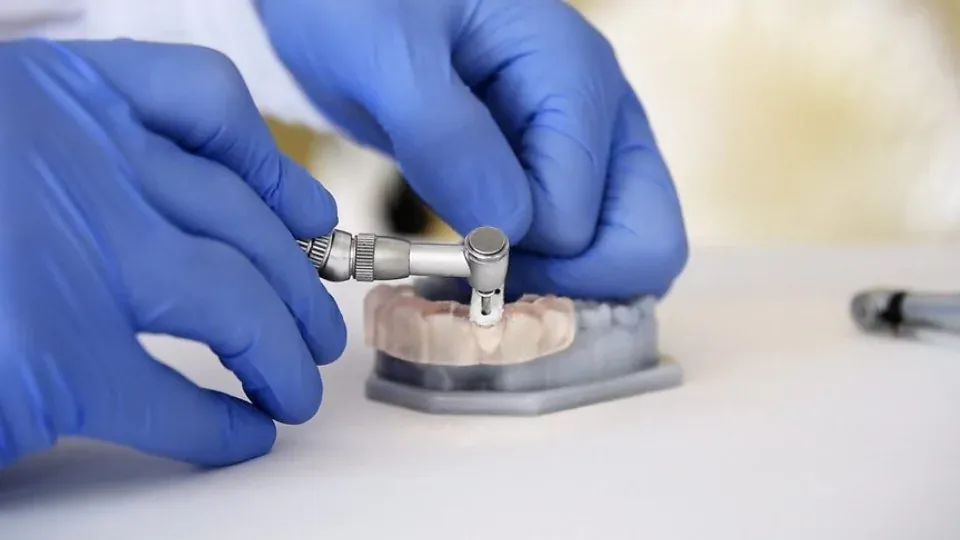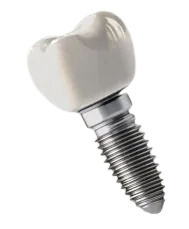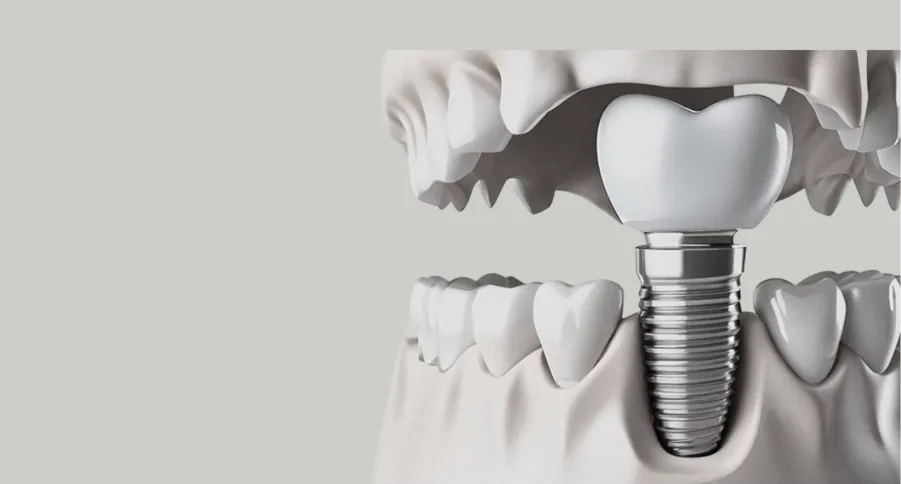

A 3d printed implant surgical guide is now a key component in modern implant dentistry. With the shift toward digital diagnostics, guided surgery offers a structured and predictable approach to implant placement. Guided Excellence supports clinicians by providing treatment planning and precise 3D-printed implant surgical guides that help improve accuracy, reduce deviation, and streamline clinical workflows.
This article explores how these guides are made, why they matter, and how Guided Excellence contributes to improved implant planning and execution.
Understanding 3D-Printed Surgical Guides for Implants
A surgical guide for implant dentistry is a custom-fabricated device developed using digital scans and radiographic information. Its purpose is to control the position, angulation, and depth of drills during implant placement. The fit of the guide depends on the patient's anatomy, and the design reflects the prosthetic and surgical requirements defined during planning.
The rise of digital implant workflows has made surgical guides for implants more common. Their reliability comes from detailed planning, accurate 3D modelling, and the ability to visualize the outcome before surgery.
The Role of Guided Excellence in Implant Planning
Guided Excellence offers clinicians support throughout the planning and design process. Their workflow integrates clinical data, prosthetic considerations, and CBCT information to produce reliable treatment plans and high-quality 3D-printed implant guides.
Their process includes:
- Reviewing diagnostic scans
- Identifying anatomical structures
- Assessing bone availability
- Evaluating prosthetic needs
- Designing the planned implant position
- Producing a detailed guide for surgical use
Clinicians benefit from a planning system that prioritizes accuracy and clarity while aligning with practical surgical steps.
How a 3D-Printed Implant Surgical Guide Is Created
The creation of a 3D-printed surgical guide involves multiple stages, each contributing to accuracy and fit. The planning phase is the foundation of a successful guided procedure.
1. Data Collection and Evaluation
The process begins with collecting:
- CBCT scans
- Digital impressions
- Photographs
- Diagnostic records
This information helps identify anatomical limitations and essential reference points.
2. Planning the Implant Position
This phase considers:
- Bone density
- Soft tissue thickness
- Nerve pathways
- Sinus boundaries
- Final prosthetic goals
Every implant is planned with prosthetic support in mind, which helps ensure functional and aesthetic outcomes.
3. Designing the Guide
The guide design aligns with the drilling protocol recommended by the implant system being used. It may include drill sleeves, depth control features, and stabilization points based on the patient's anatomy.
4. 3D Printing and Finishing
Once the design is approved, the guide is printed with durable materials capable of maintaining stability during drilling. After printing, the guide is cleaned, cured, and prepared for clinical use.
Guided Excellence provides clinicians with a complete planning-to-printing workflow that supports accuracy and usability.
Benefits of Using a 3D Printed Implant Surgical Guide
A 3D-printed guide offers several practical benefits for clinicians seeking predictable implant placements.
Enhanced Accuracy
Deviations in angulation or depth may affect long-term success. A digitally designed guide minimizes these deviations by enforcing a predetermined drill path.
Predictable Surgical Outcomes
Digital planning allows clinicians to anticipate anatomical challenges and prosthetic requirements before surgery.
Better Prosthetic Alignment
Placing the implant correctly improves the fit and longevity of the final restoration. Guides help ensure the implant is positioned with the future prosthetic in mind.
Reduced Surgical Variability
Freehand drilling depends significantly on clinical judgment and experience, while guided drilling follows a structured plan.
Efficient Workflow
Precise planning often reduces chair time and simplifies decision-making during surgery.
Types of Surgical Guides for Implants
Clinicians may use different guide types depending on the case requirements and anatomical conditions.
Pilot Drill Guides
These guide the initial pilot drill, setting the correct angulation for subsequent freehand steps.
Fully Guided Surgical Guides
These maintain control throughout the drilling sequence and during implant insertion. They are suitable when complete accuracy is required.
Bone-Supported Guides
Often used in edentulous cases, these guides rest on exposed bone to provide support after flap elevation.
Tooth-Supported Guides
These rest on existing dentition and offer excellent stability for single or multiple implants.
Soft-Tissue-Supported Guides
These are used in flapless procedures and rely on the contour of the soft tissue for retention.
Why 3D Printed Implant Guides Improve Clinical Outcomes
Clinical results depend on accurate planning and precise execution. A surgical guide bridges this gap by translating the digital plan into a physical reference.
1. Better Control Over Implant Angulation
Correct angulation is essential for both stability and prosthetic fit. A guide reduces errors associated with manual angulation adjustments.
2. Predictability in Depth Control
Maintaining consistent depth contributes to safe placement and proper alignment with the prosthetic design.
3. Reduced Risk During Surgery
Knowing the planned position of nerves, sinus boundaries, and other anatomical structures supports safer surgical procedures.
4. Consistency Across Cases
A guided workflow supports predictable outcomes even in anatomically challenging situations.
These factors help clinicians maintain reliable standards across various implant cases.
Comparison Table: Conventional vs. Guided Implant Placement
| Attribute | Conventional Placement | Guided Placement with 3D Printed Guide |
|---|---|---|
| Angulation Control | Variable | High |
| Depth Management | Manual | Pre-planned |
| Prosthetic Alignment | Depends on experience | Prosthetic-driven |
| Surgical Predictability | Inconsistent | Structured |
| Accuracy | Technique-dependent | Design-based |
| Efficiency | Case-dependent | Improved workflow |
How Guided Excellence Supports Clinical Workflows
Clinicians who use Guided Excellence benefit from a dedicated planning team that ensures the guide aligns with both surgical and prosthetic goals. Their workflow is designed to help practitioners maintain accuracy throughout the planning and surgical phases.
Their support includes:
- Reviewing diagnostic information
- Creating prosthetic-driven implant plans
- Designing guides tailored to the patient's anatomy
- Providing clear communication and planning clarity
This collaborative approach ensures that clinicians receive guides that reflect the planned outcome and support reliable surgical results.
Using External Resources for Continuing Education
Clinicians often refer to academic research, case studies, and peer-reviewed literature when evaluating new tools or planning complex cases. Reputable scientific databases provide valuable insight into trends and evidence-based approaches in guided implant dentistry.
Conclusion
The integration of a 3d printed implant surgical guide into implant workflows has transformed the way clinicians approach implant placement. By combining structured planning, digital design, and precise guide fabrication, Guided Excellence supports predictable and accurate clinical outcomes. Their planning and guide production services offer clinicians a dependable system for achieving prosthetic-driven implant placement. For more information or to begin a new case, contact us today.